Heat pump dryer or condenser dryer: what is the difference?
A heat pump dryer is a condenser dryer too, but it heats the air another way. Here is how they differ in electricity, drying time and placement, and how to read the energy label.

Popular picks from this guide
- Go to Joybuy
- Go to Bol Marketplace
-
Siemens WR47B2C5FG iQ700 warmtepompdroger, 9 kg, energieklasse A, NL/FR-paneel, witGo to Joybuy
€1,399 · at 1 shop
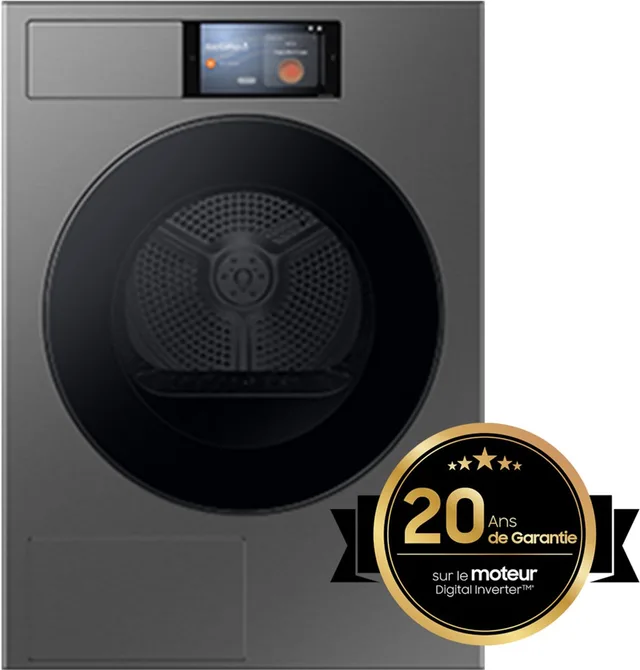
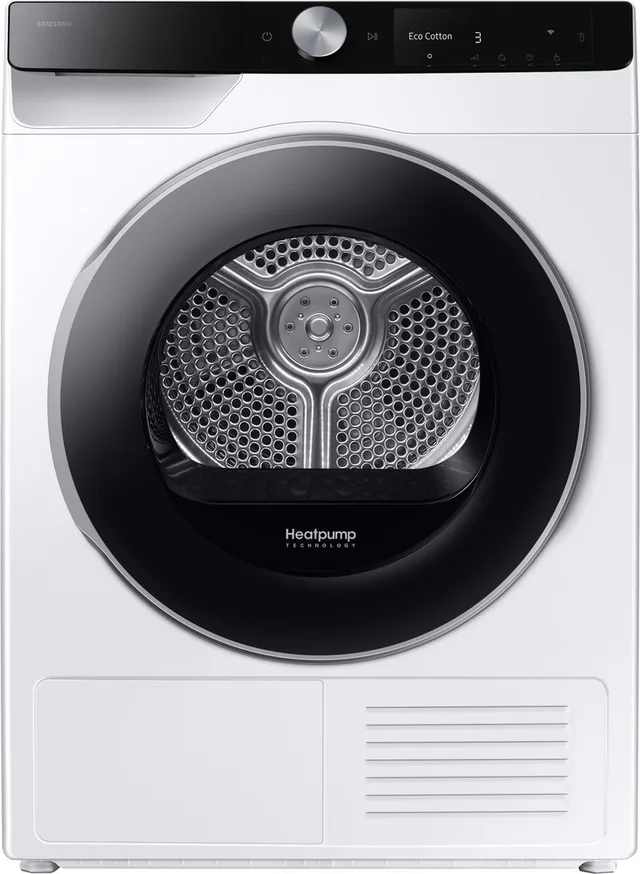
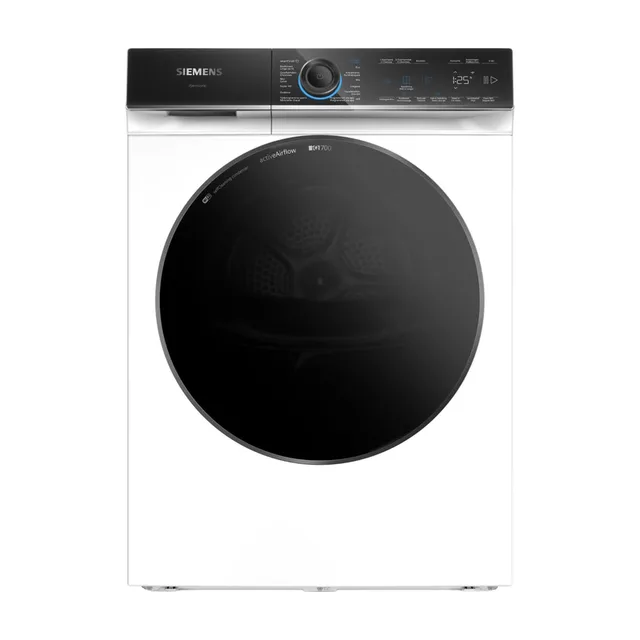
Popular products at today's lowest price. Compare every shop on the product page.
Short answer: A heat pump dryer is a condenser dryer too, but it heats the air with a heat pump instead of a heating element. That makes it use far less electricity and dry at a lower temperature; a cycle does take longer. Milieu Centraal, the Dutch environment advice centre, recommends a heat pump dryer if you are buying one, and according to the European Commission only efficient heat pump dryers may newly enter the EU market since 1 July 2025.
What follows comes from Milieu Centraal, the European energy label and the manufacturers. Leafwatt tests no appliances itself; always follow the manual of your own dryer.
How a condenser dryer works
A condenser dryer heats air with an electric heating element and blows it through the drum. The warm air takes up the moisture from the laundry and then passes a condenser, which is cooled with air from the room. There the moisture turns into water. Most of the heat left in the air goes into the room, and the element keeps having to make new heat. That costs electricity.
How a heat pump dryer works
A heat pump dryer works in a closed loop, like a fridge in reverse. The heat pump warms the air before the drum and cools it again afterwards, so the moisture condenses. The heat is used again and again instead of being blown away.
That has three results:
- the dryer uses far less electricity per cycle;
- it dries at a lower temperature, which is gentler on the laundry;
- a cycle takes longer than in a condenser dryer with an element.
Among the dryers we compare, the product name nearly always says "heat pump". Miele adds "WP", as on the Miele TEL 695 WP.
Heat pump dryers from 8 to 10 kg
- Bosch
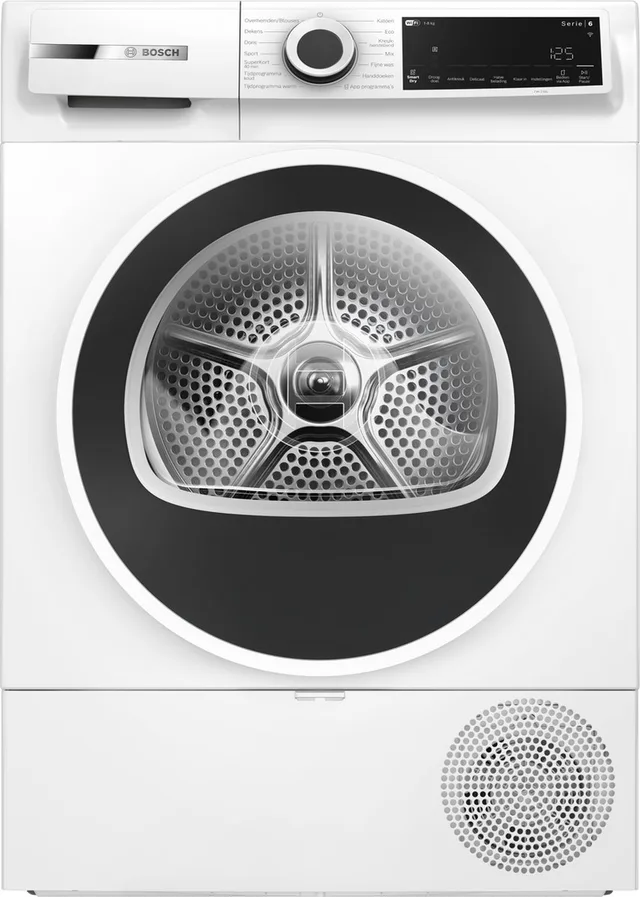
WQJ23200NL Series 6, heat pump dryer, 8 kg, Auto Dry, Easy clean filter, Home Connect, white
8 kgFrom €693 · at 4 shops
- Siemens
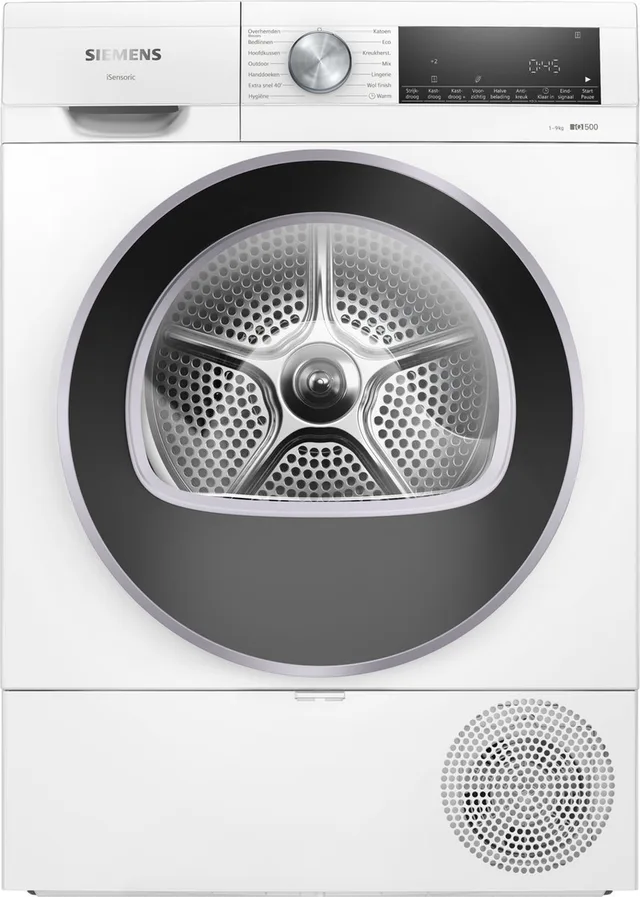
WQ43G1DANL IQ500, heat pump dryer, 9 kg, AutoDry, EasyClean filter, speedPack, white
9 kgFrom €768 · at 4 shops
- Bosch
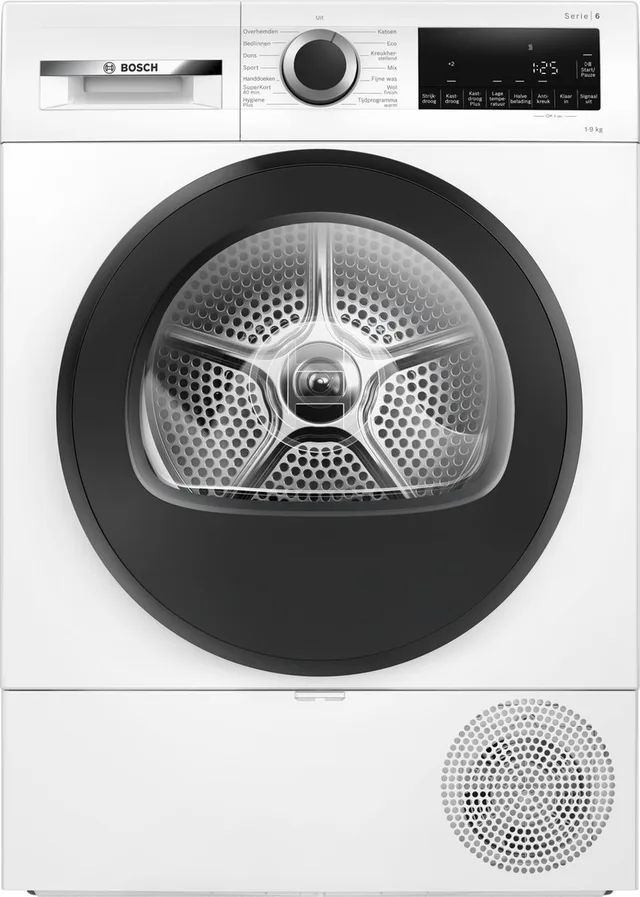
Serie 6 WQG143DANL
Warmtepompdroger9 kgFrom €717 · at 3 shops
Lowest in 24 days
- Samsung
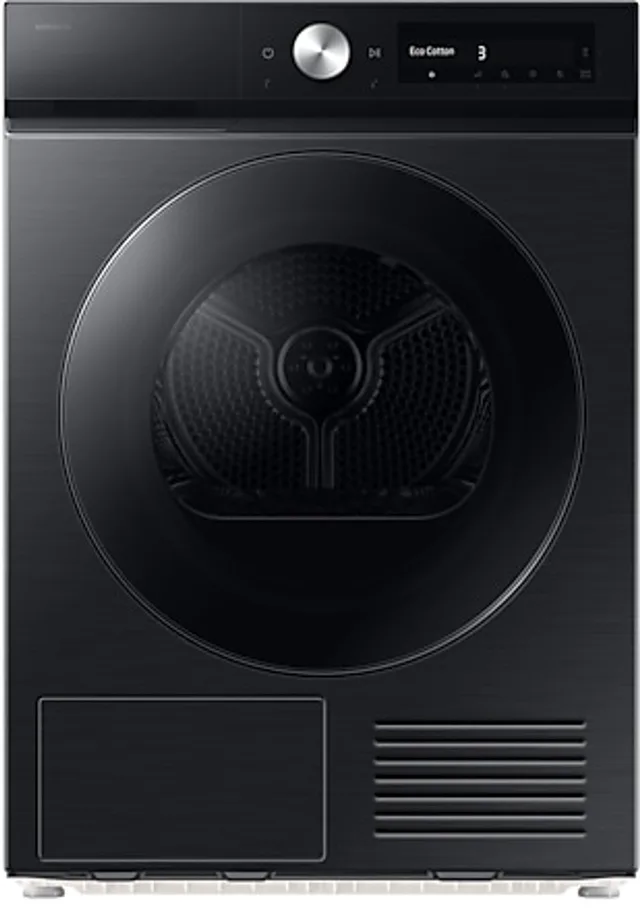
DV90DB7845GBU3 Warmtepompdroger
9 kg AI Glazen deur A9 kg60 cm64 dBFrom €826.85 · at 2 shops
- Miele
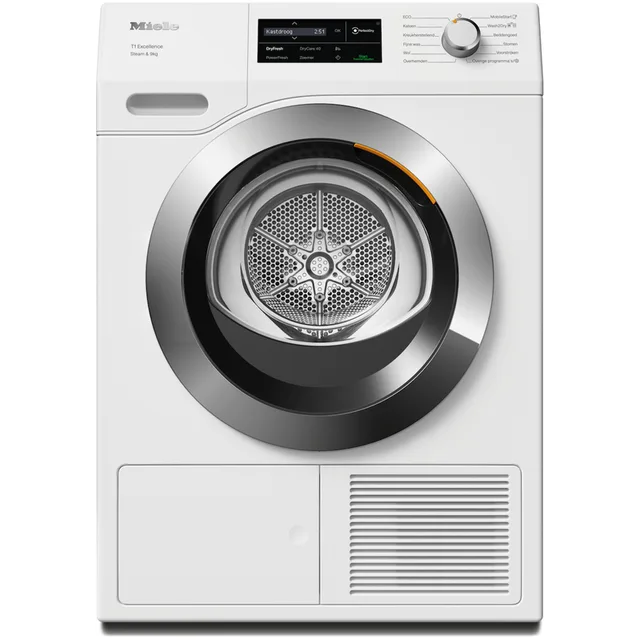
TEL 695 WP heat pump dryer, white
From €1,849 · at 2 shops
- AEG
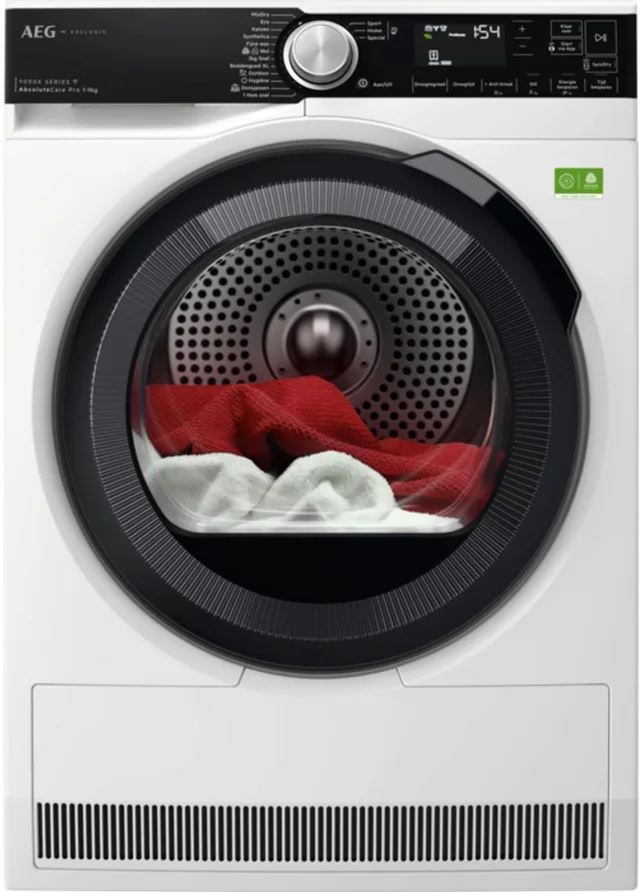
TR97MUNCHEN AbsoluteCare Pro Warmtepompdroger Wit
9 kg59.6 cm60 dBFrom €1,299 · at 3 shops
Lowest in 24 days
- Hisense
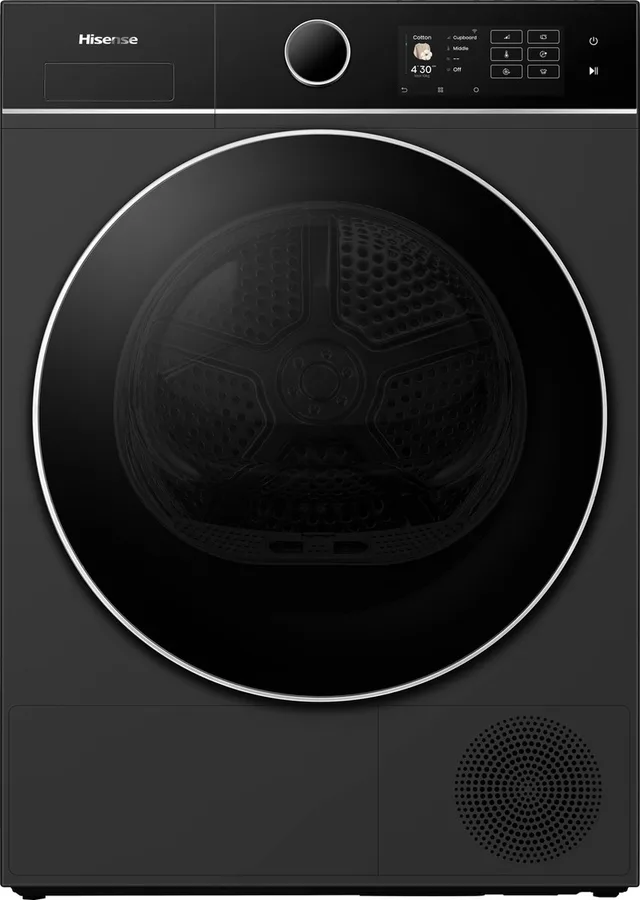
DH5I104BBAB
Wasdroger · Zwart10 kg59.5 cm60 dB€677 · at 1 shop
Lowest in 23 days
Electricity and the energy label
The energy label shows how much electricity a dryer uses. Mind that there have been two labels. Since 1 July 2025 shops show a new label with classes from A to G; the old label ran from A+++ to D. Product names still show both: the LG RH9X76WH says "B label (2025)", the Hisense DH5I104BBAB "energy class A", while the Bosch WQG235DINL still has "A+++". An A on the new label is not the same as an A+++ on the old one. According to the European Commission, since 1 July 2025 only efficient heat pump dryers may newly enter the EU market.
So compare the consumption in kWh on the label rather than just the letter, and compare dryers that carry the same label. The new label also gives the capacity, the length of the eco programme, how well the dryer condenses and how much noise it makes. With What does an appliance really cost, electricity included? you can work out what that use costs you over the years.
The faster your washing machine spins, the less water is left in the laundry when it goes into the dryer. That saves drying time and electricity too; see our guide Choosing a washing machine.
Where does the water go?
Both kinds of dryer collect the water in a container that you empty after each cycle. On most models you can also connect a drain hose to the washing machine's drain, so there is nothing to empty. The manual explains how; the hose is often supplied.
Placement, space and stacking
A heat pump dryer needs a room that is not too cold and not too warm. Manufacturers give the room temperature range in the manual; an unheated shed or attic can fall outside it in winter. A condenser dryer gives off more heat into the room; a heat pump dryer much less.
To put the dryer on top of the washing machine, use the manufacturer's stacking kit. It holds the dryer in place; some have a pull-out shelf for the laundry basket. The dryer goes on top. A stacking kit is made for appliances of the same width; whether your pair may be stacked is in the manuals of both.
Lint and the condenser
After every cycle you clean the lint filter in the door. A heat pump dryer often has a second filter in front of the heat exchanger; rinse it as the manual describes. Bosch names a self-cleaning condenser on part of its range, such as the Bosch Serie 6 WQN246D0NL. Siemens puts "smartFinish", a steam function against creases, in the name of the WQ46H2CLNL. On the TQ 1000 WP Miele combines steam with Wash2Dry: according to Miele the dryer then matches its programme to the Miele washing machine.
Dryers with a self-cleaning condenser or steam
- Bosch
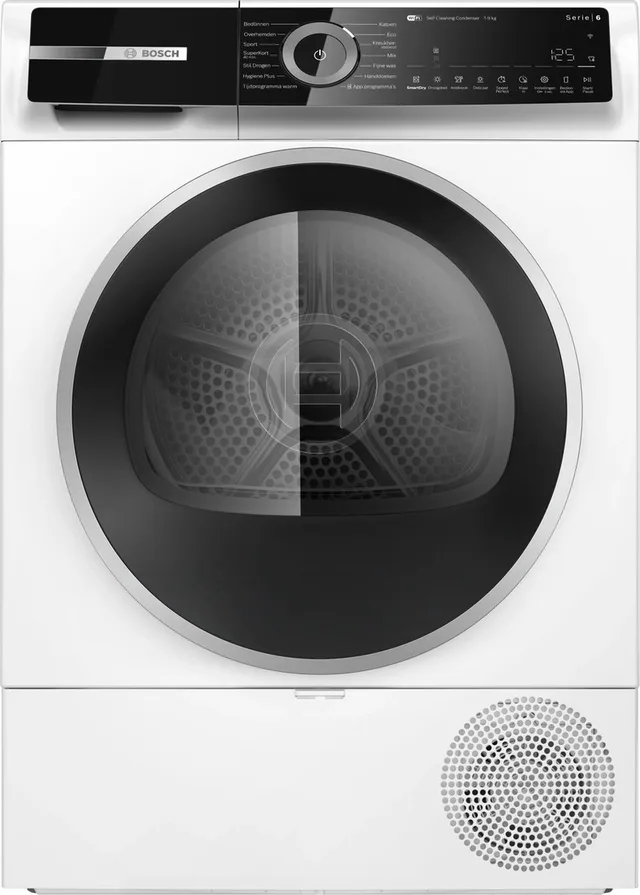
Serie 6 WQN246D0NL
Warmtepompdroger9 kgFrom €949.97 · at 3 shops
Lowest in 20 days
- Siemens
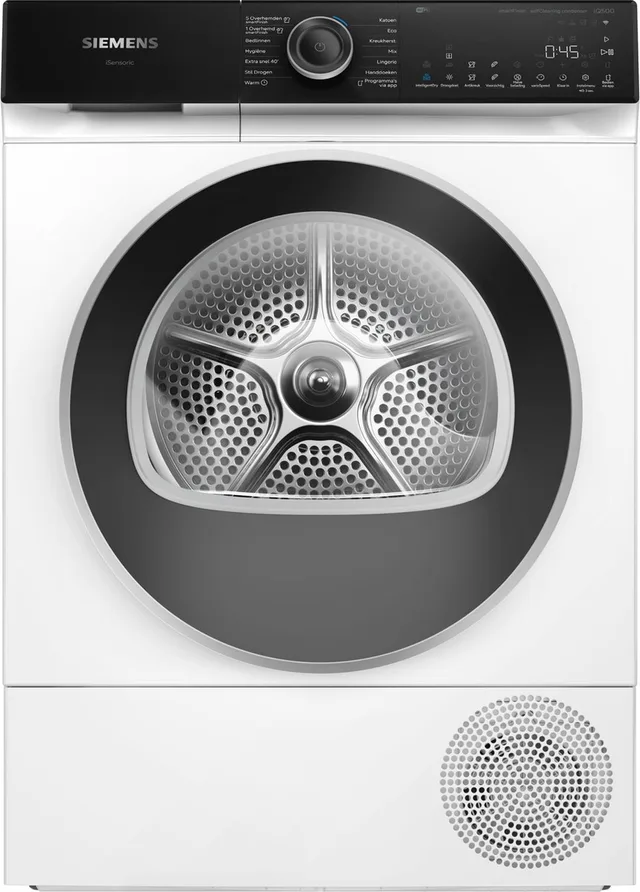
WQ46H2CLNL, iQ500, tumble dryer, heat pump dryer, self-cleaning condenser, very quiet, 9 kg, varioSpeed
9 kgFrom €948 · at 5 shops
- Miele
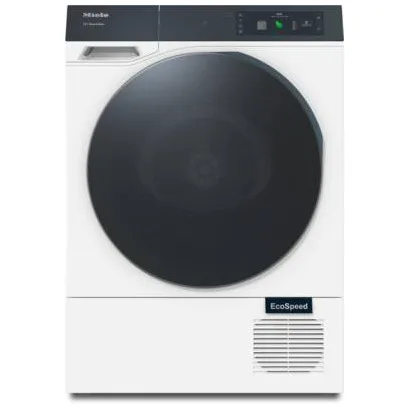
TQ 1000 WP Nova Excellence Wash2Dry & SteamFinish Warmtepompdroger Wit
From €2,299 · at 2 shops
Lowest in 20 days
Or a washer-dryer after all?
If you have no room for two appliances, a washer-dryer washes and dries in one drum. It dries fewer kilos than it washes, though: the Hisense WD5I8043BWF gives 8 kg washing and 5 kg drying. So you often dry in two goes. More models are under washing machines; separate dryers under dryers.
Frequently asked questions
Is a heat pump dryer also a condenser dryer?
Yes. Both condense the moisture from the air into water. The difference is how the air is heated: with a heat pump or with a heating element.
Why does drying take longer in a heat pump dryer?
It dries at a lower temperature. How long the eco programme takes is on the new energy label.
Can a heat pump dryer go in a cold shed or attic?
Only if the temperature stays within the range the manufacturer gives in the manual. When it is colder, it dries slowly or poorly.
Can I put a dryer on any washing machine?
Only with a stacking kit that fits both appliances. The manufacturer says in the manual which kit you need.
Keep looking
Leafwatt doesn’t test devices itself. This guide sets out what manufacturers state.
Products from this guide
Popular products with a current price at the shops. Compare the prices on the product page.
- Samsung
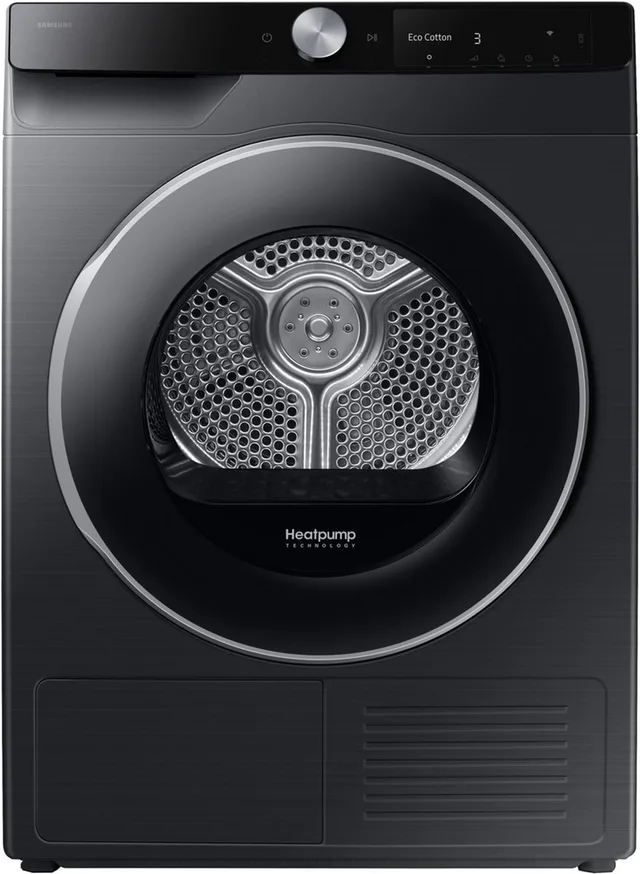
AI Dry DV90DG6845LBU3 6000 series, tumble dryer, AI energy mode, energy label A, 9 kg, 5 year warranty in the Netherlands
9 kg60 cm64 dBFrom €689 · at 5 shops
Lowest in 24 days
- Samsung
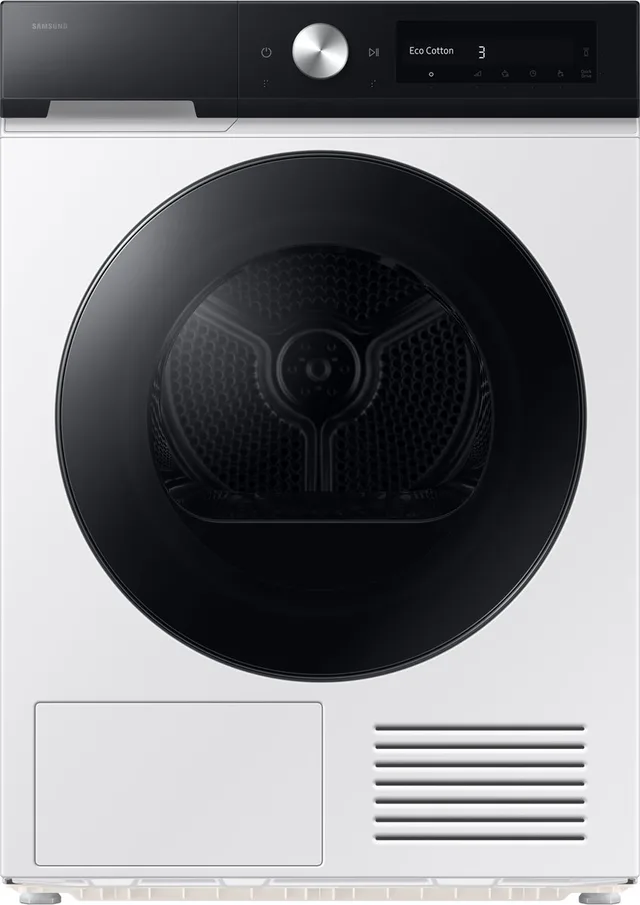
BESPOKE DV90DB7845GEU3 7000 serie
Wasdroger · QuickDrive · Energielabel A9 kg60 cm64 dBFrom €999 · at 2 shops
- Samsung
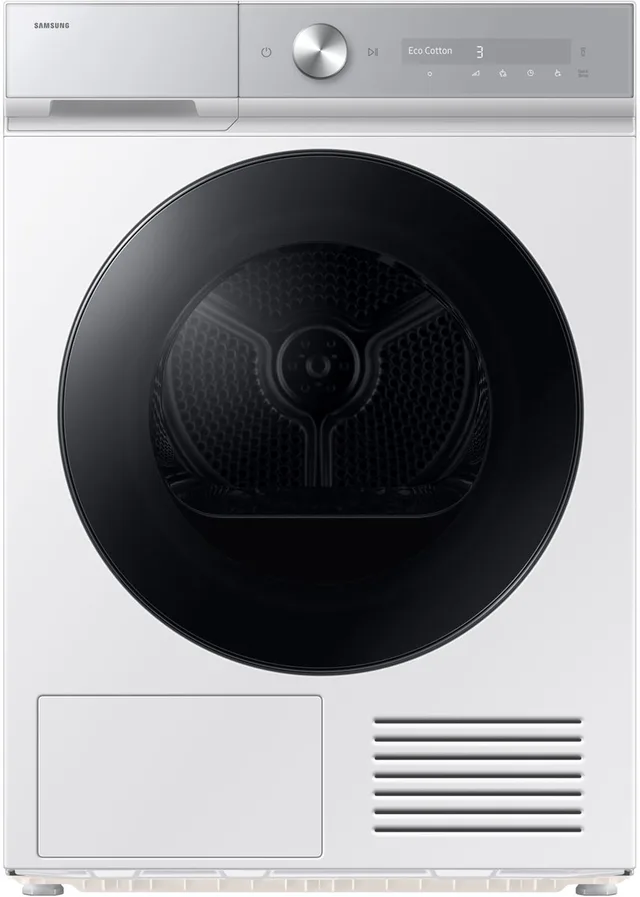
BESPOKE DV90DB8845GHU3 8000 serie
Wasdroger · Silent Dry · Energielabel A9 kg60 cm60 dBFrom €949 · at 4 shops
Lowest in 24 days
- AEG
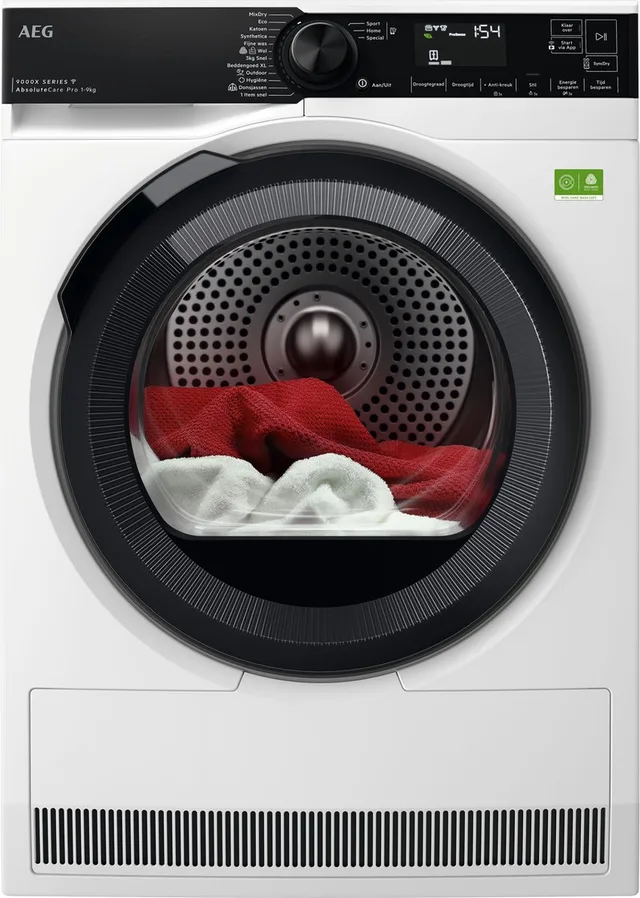
TR969V6C AbsoluteCare Pro
9 kgFrom €999 · at 3 shops
Lowest in 24 days
- Samsung
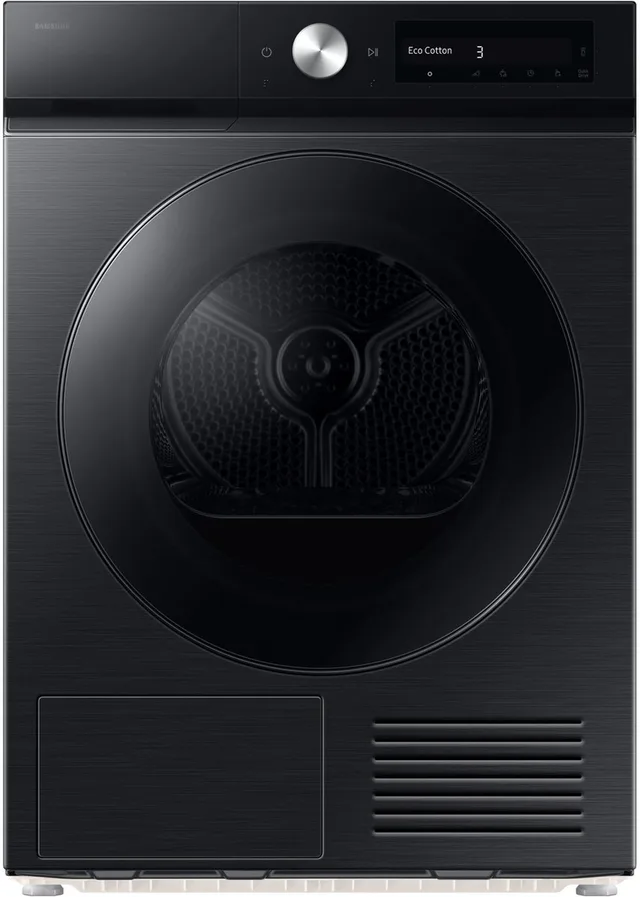
BESPOKE DV90DB8845GBU3 8000 serie
Wasdroger · Silent Dry · Energielabel A9 kg60 cm60 dBFrom €885.25 · at 2 shops
Lowest in 24 days
More buying guides
- Choosing a washing machine: capacity, spin speed, energy label and size You choose a washing machine by how much laundry you have, how dry it should come out and where it will stand. Here is how to read the energy label and measure the space. Read the guide
- Choosing an induction hob: one or two phases, zones, flex and extractor With an induction hob it starts in the fuse box: one or two phases decides the power. Then you choose the width, the zones and whether the extractor goes into the hob. Read the guide