Choosing a home battery: kWh, 800 watts, P1 meter and models
Net metering ends in the Netherlands on 1 January 2027. Here is how to choose a home battery that fits your evening use, and how to read what the product name says.

Popular picks from this guide
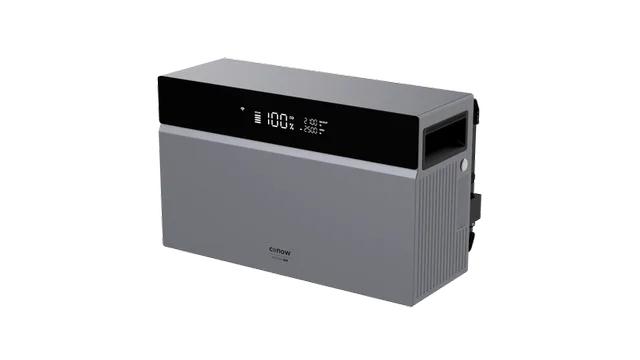
Popular products at today's lowest price. Compare every shop on the product page.
Short answer: Choose a home battery that covers your evening and night use, not the largest one you can afford. A plug-in battery in an ordinary socket delivers at most 800 watts; for more, it belongs on its own circuit. With a P1 meter the battery knows when you have power to spare. Compare on the price per kWh you can actually use, and do not count on earning it back quickly.
What follows comes from Milieu Centraal, the Consumentenbond (the Dutch consumers' association), the fire service and the manufacturers' product names. Leafwatt tests no batteries itself. The prices with the products are the current prices of the shops we follow.
Why a home battery now?
From 1 January 2027 net metering (salderen) ends in the Netherlands. Power your solar panels feed into the grid can then no longer be set off against power you use later. You get a payment for it that is lower than the price you pay yourself. A home battery stores daytime power so you use it yourself in the evening.
Milieu Centraal is cautious: in its view a home battery is so expensive that you will most likely not earn it back at the moment, and there is no national subsidy. What changes after 2027 and when a battery does pay something is in the guide on the home battery after net metering ends.
How many kWh do you need?
A small home battery stores about 2 kWh, a large one about 20 kWh; an average one is around 6 kWh, Milieu Centraal writes. Its advice: do not choose too large. The battery should cover your evening and night use. Anything above that often goes unused.
Mind the difference between the number in the name and what you can use. A battery never discharges completely, and some power is lost when charging and discharging. The Consumentenbond therefore works with the price per kWh that is really available, not the capacity on the box. The usable capacity is usually in the manual or the data sheet.
Small plug-in batteries around 2 to 2.5 kWh
- CONOW
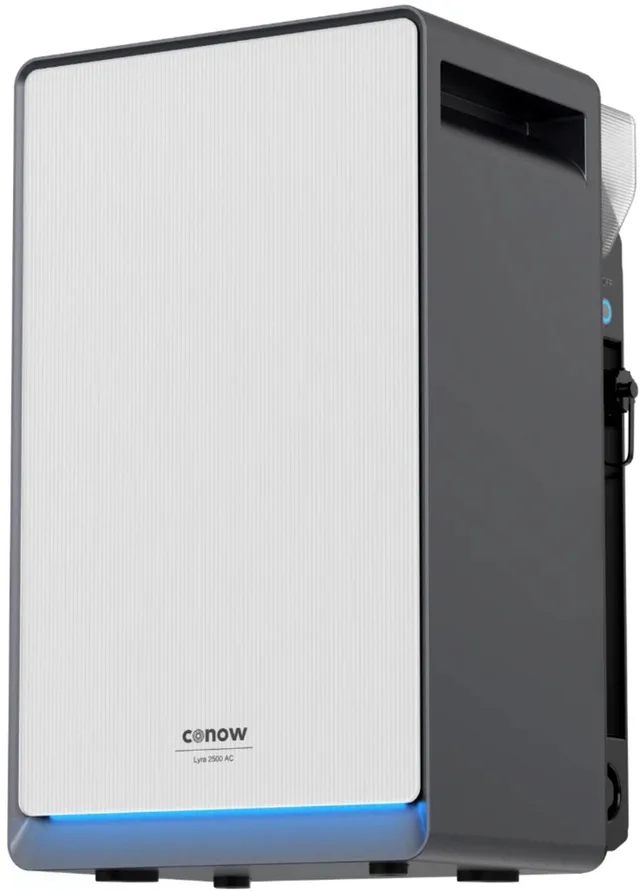
Lyra 2500 AC Thuisbatterij
Plug and Play2.56 kWh€689 · at 1 shop
- Indevolt
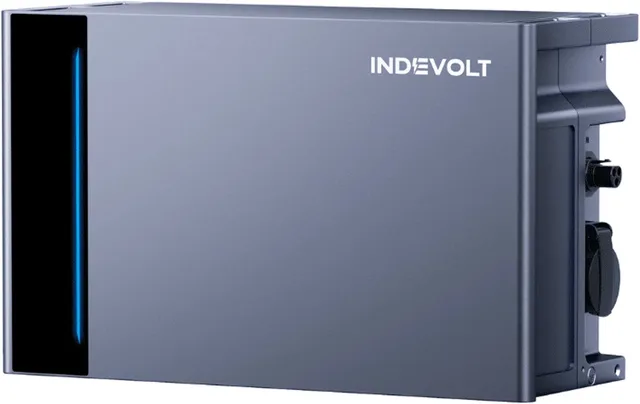
PowerFlex 2000 ECO
Thuisbatterij met Stekker2 kWh€750 · at 1 shop
- Indevolt
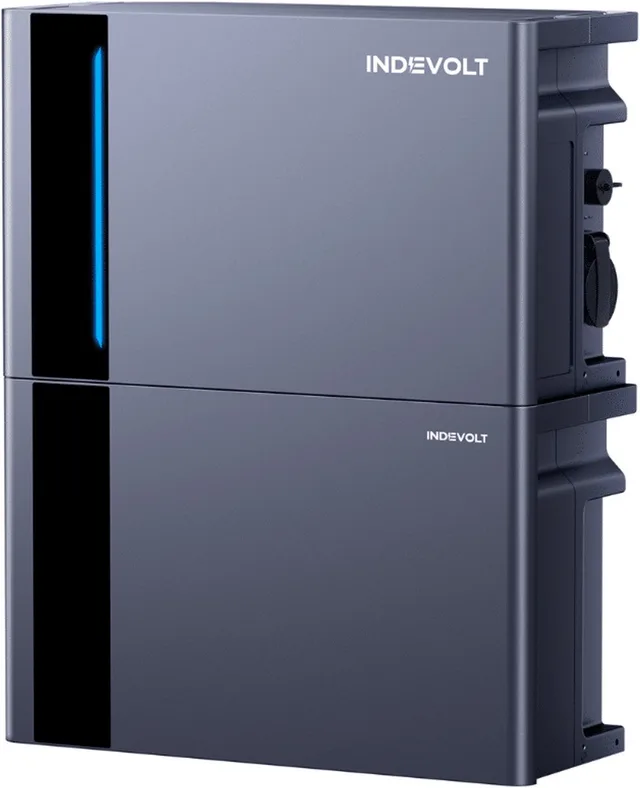
PowerFlex 2000 Hybride
Thuisbatterij met Stekker2 kWh€775 · at 1 shop
- TSUN
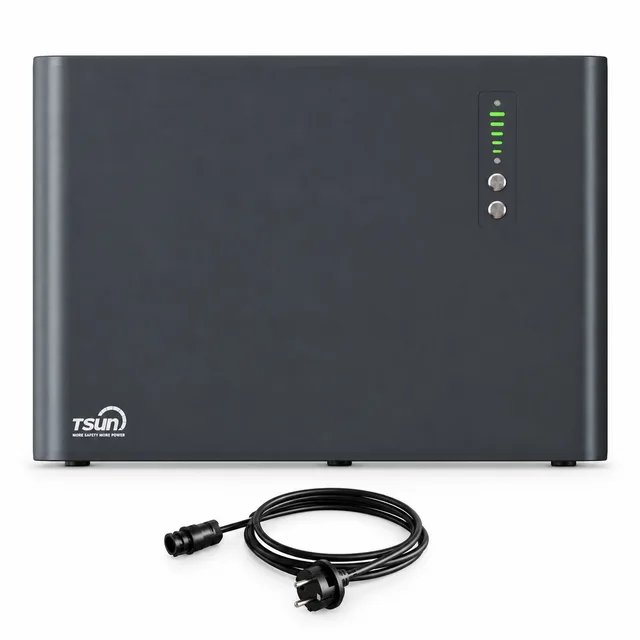
SolarTrunk MSU2000 Thuisbatterij 2,048 kWh
Plug & Play Energieopslag2.05 kWh€800 · at 1 shop
Power: 800 watts or more
A plug-in battery in an ordinary socket is limited to 800 watts, Dutch broadcaster NOS reports. If you want more power, put the battery on its own circuit in the fuse box. Some models can do much more: Anker gives 3,500 watts for the Max AC, Zendure 3 kW for the 3000mix. You only get that power on a circuit of its own. How to connect such a battery is in the guide on connecting a plug-in battery.
If your home needs more than the battery delivers, for example when the oven is on, the rest simply comes from the grid.
P1 meter: knowing when you have power to spare
A P1 meter plugs into the P1 port of your smart meter. The battery then sees whether your home is feeding power in or drawing it, and charges or discharges at the right moment.
Check whether the meter is included. The Hoymiles HB-4020-AC and the TSUN 5 kWh come with one according to their names; the Zendure 3000mix and the Zendure SolarFlow 4000 Mix AC+ are supplied without a P1 meter. You then buy it separately.
Mid-size, 4 to 6 kWh
- Hoymiles
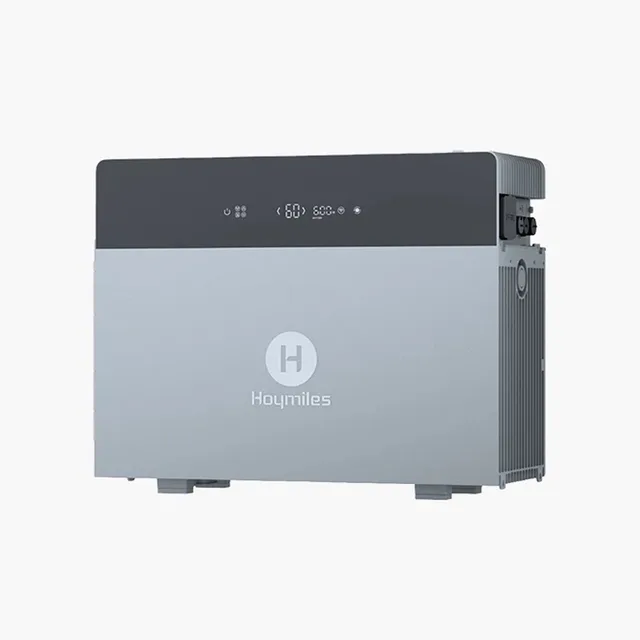
HB-4020-AC Plug-in thuisbatterij
€1,224 · at 1 shop
- TSUN
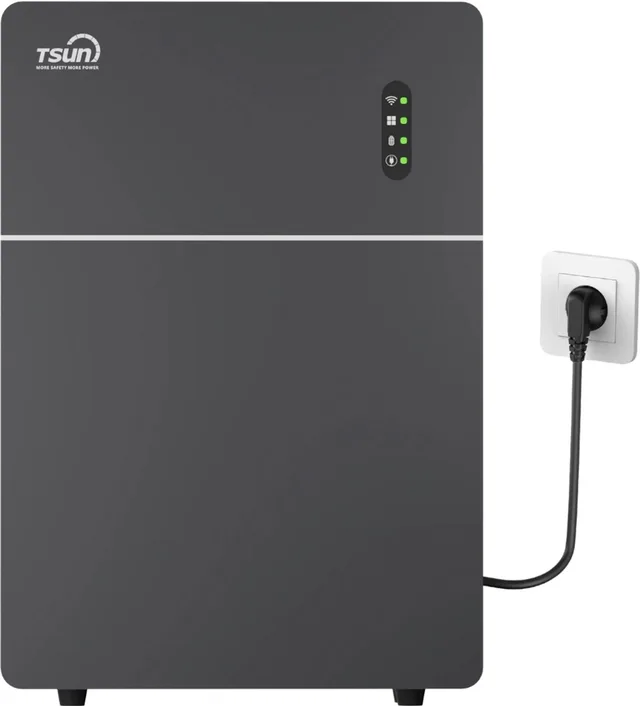
Plug & play thuisbatterij
via stopcontact · backup functie5 kWh€1,399 · at 1 shop
- Indevolt
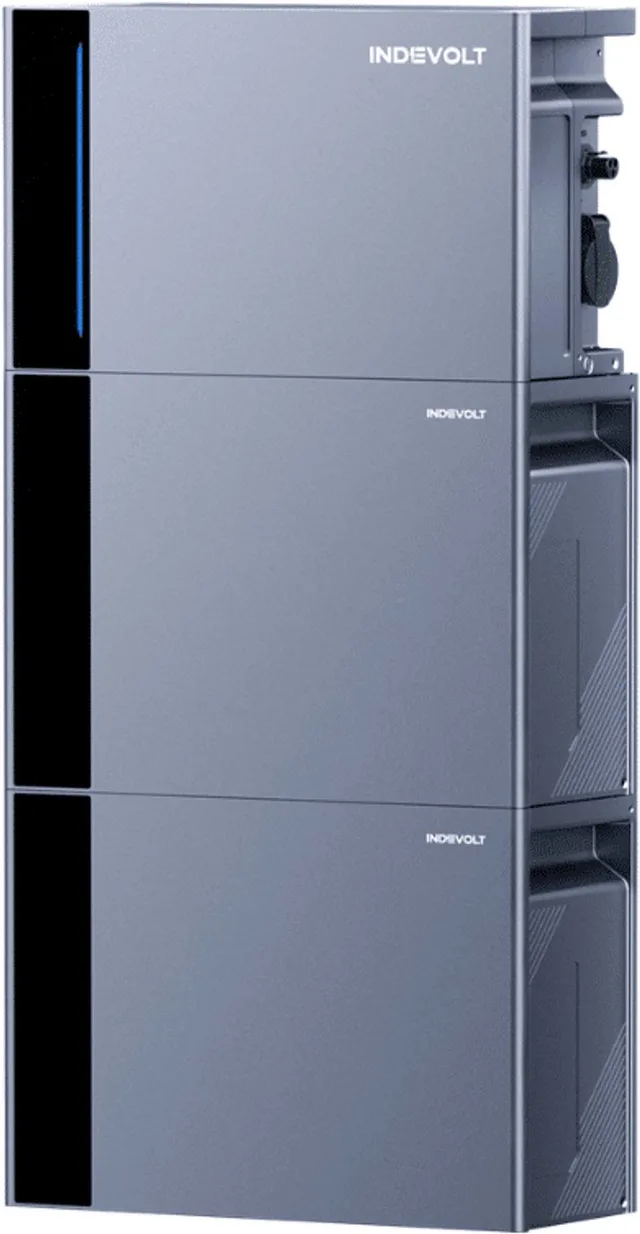
PowerFlex 2000 ECO
Thuisbatterij met Stekker4 kWh€1,249 · at 1 shop
- Indevolt
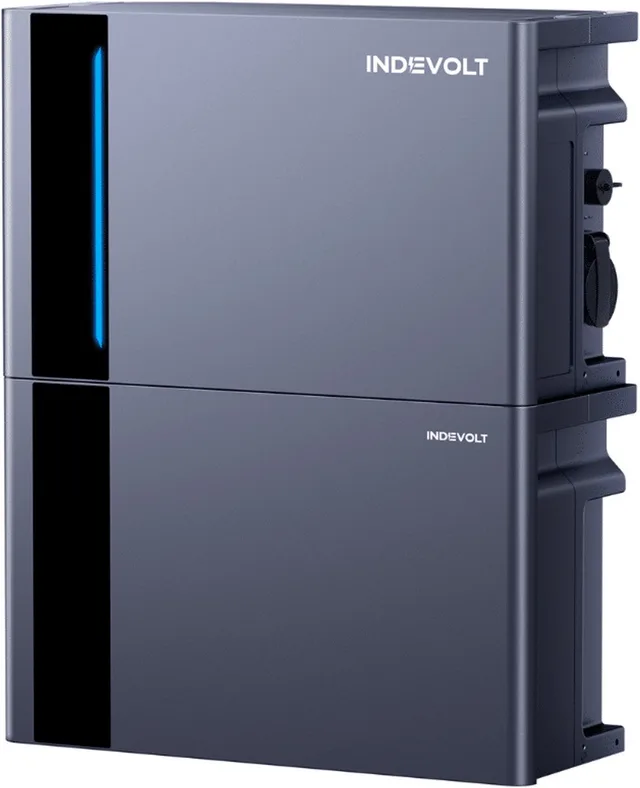
PowerFlex 2000 Hybride
Thuisbatterij met Stekker4 kWh€1,275 · at 1 shop
- CONOW
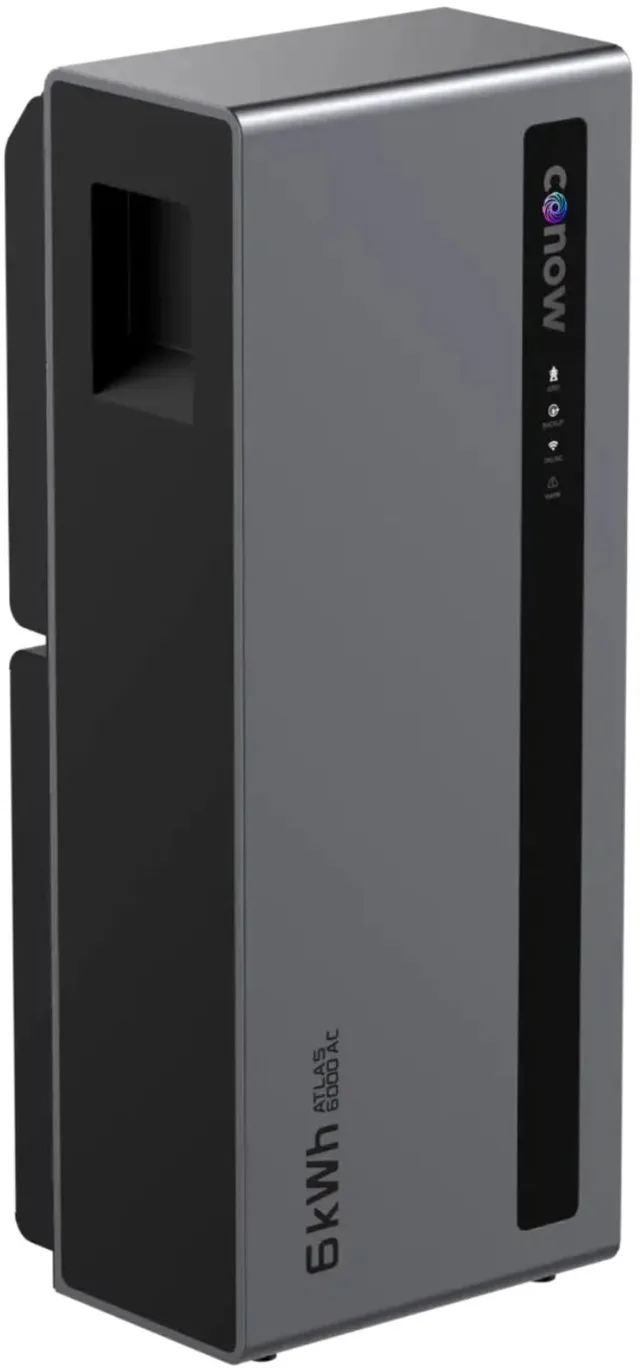
Atlas 6000 Thuisbatterij
Plug and Play6.03 kWh€1,511 · at 1 shop
- Indevolt
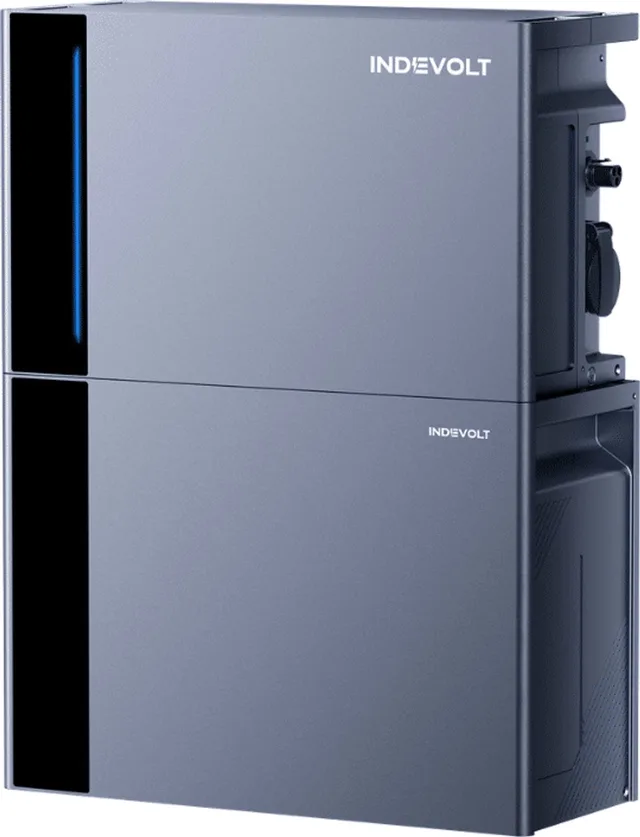
SolidFlex 3000 AC
Thuisbatterij met Stekker5.4 kWh€1,549 · at 1 shop
AC or hybrid
An AC battery charges through the socket: it takes the power your solar panels deliver through the ordinary inverter. You place it next to your existing installation. A hybrid battery also has its own inputs for solar panels (MPPTs). The Anker Solarbank 4 Pro has four according to its name, for up to 5,000 watts of panels. That is mainly useful if you are fitting new panels or replacing your old inverter.
Indevolt sells the same series as ECO and as Hybrid, for example the PowerFlex 2000 ECO 4 kWh and the PowerFlex 2000 Hybride 4 kWh; Anker has the Solarbank Max Hybride next to the Max AC.
Large, expandable and what the name says
For heavy evening use, a heat pump or an electric car there are batteries of 7 to 14 kWh and more. Many series can be expanded with extra packs. Read the name carefully: some products are only an expansion. The Zendure 2400AC+ can only be used with the AB3000L according to its name, and Anker sells the BP5000 and BP7000 as expansion batteries. Without the base unit they do nothing.
Makers also give the number of charge cycles: Anker 10,000 for the Solarbank 4 Pro and the Max AC. That says something about lifespan, but it is the maker's claim, not a test.
Large, 7 kWh and more
- Anker
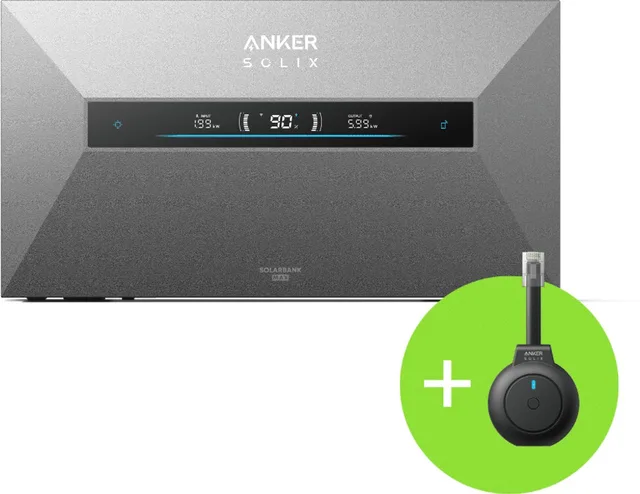
Solarbank Max AC
Thuisbatterij met Stekker7 kWh€1,999 · at 1 shop
- Anker
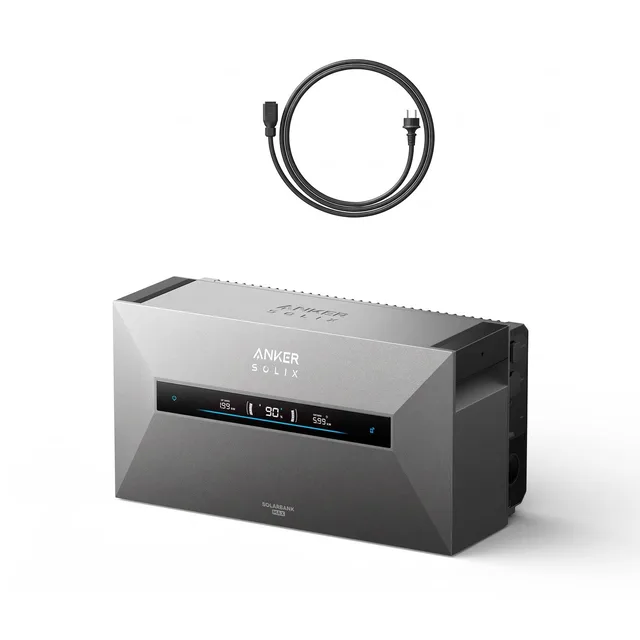
Max AC
7kWh plug-and-play thuisbatterij7 kWh€1,999 · at 1 shop
- Zendure
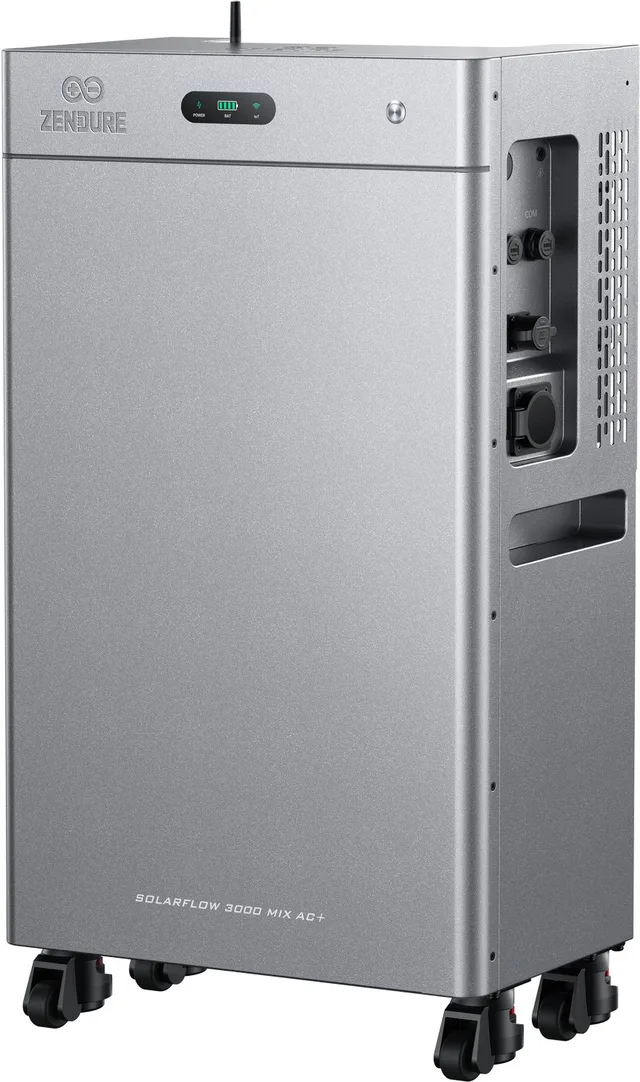
3000mix
Thuisbatterij voor zonnepanelen8 kWh€1,745 · at 1 shop
- Zendure
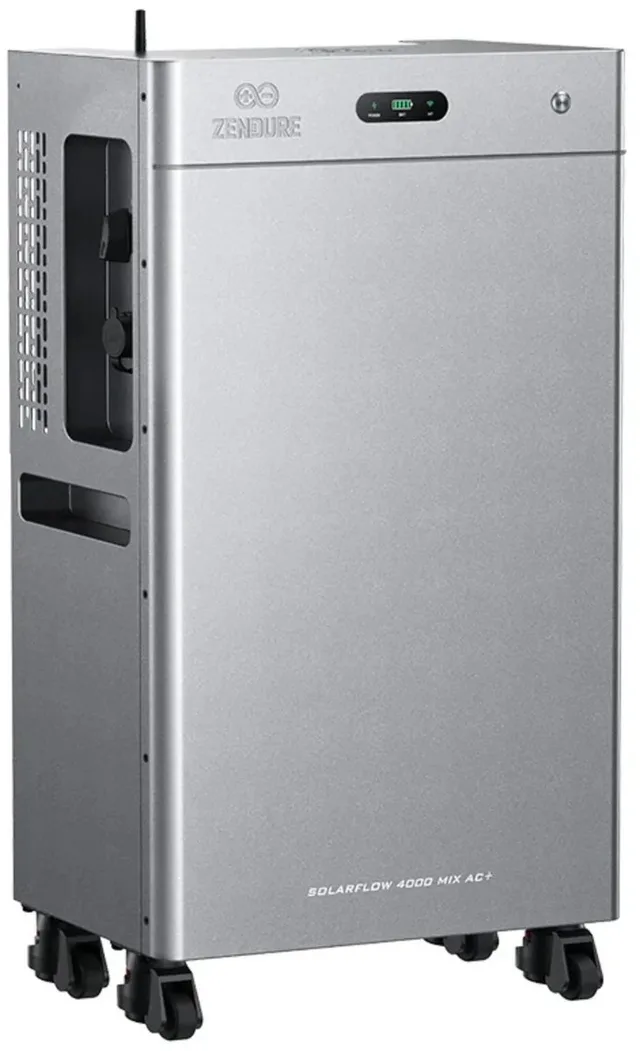
SolarFlow 4000 Mix AC+
Stekker (thuis) batterij 8 kWh8 kWh€2,179 · at 1 shop
- Indevolt
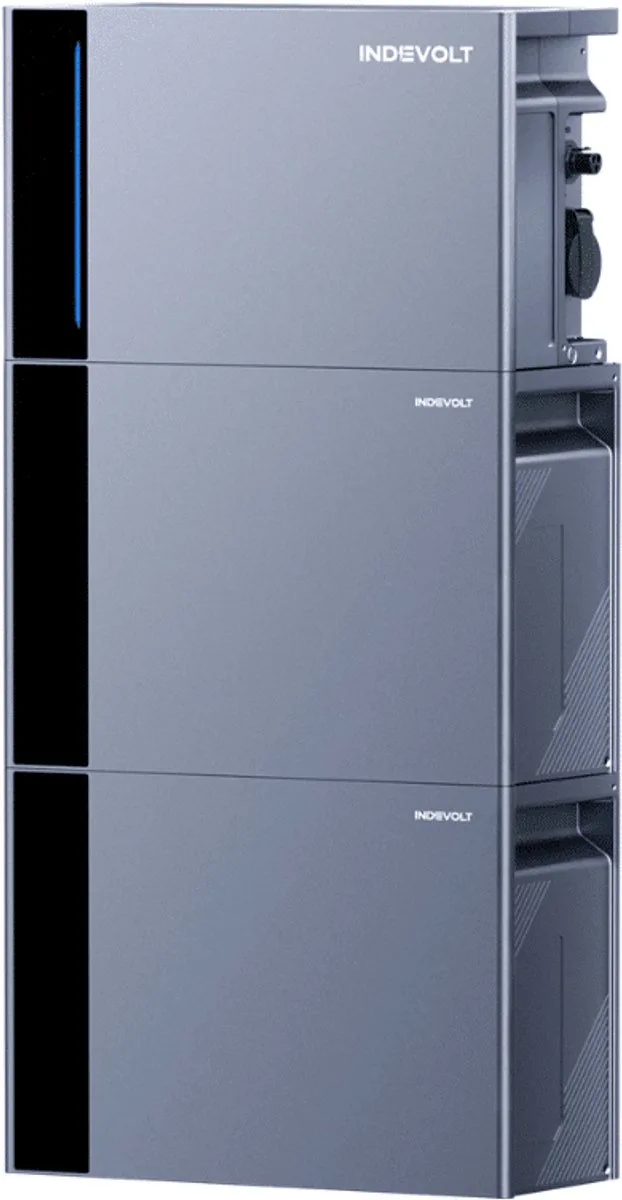
SolidFlex 3000 AC
Thuisbatterij met Stekker7.2 kWh€2,049 · at 1 shop
- Indevolt
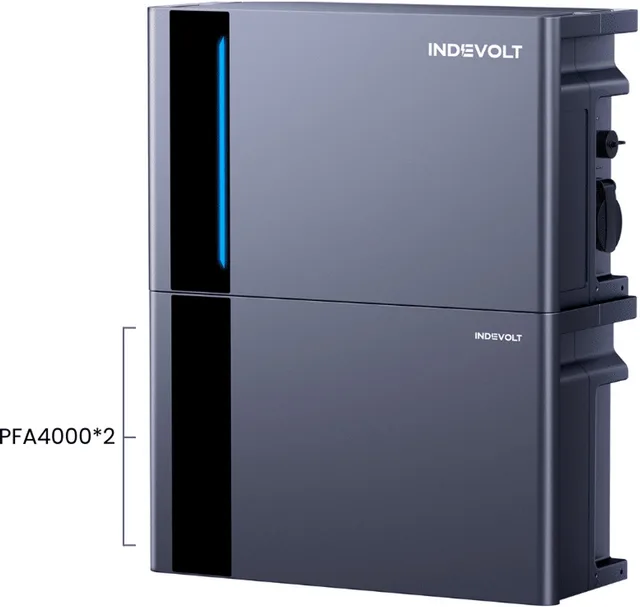
PowerFlex 2000 ECO
Thuisbatterij met Stekker10 kWh€2,349 · at 1 shop
- Anker
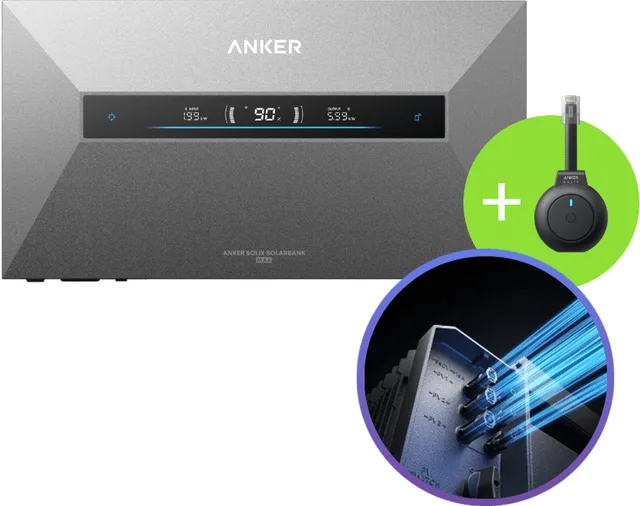
Solarbank Max Hybride
Thuisbatterij met Stekker7 kWh€2,599 · at 1 shop
Overview
| Model | Capacity (name) | What else the name says |
|---|---|---|
| CONOW Lyra 2500 AC | 2.56 kWh | IP65 |
| Indevolt PowerFlex 2000 ECO | 2 kWh | plug, plug & play |
| TSUN SolarTrunk MSU2000 | 2.048 kWh | 2000 W backup, expandable to 10.24 kWh |
| Hoymiles HB-4020-AC | not in the name | P1 meter included |
| TSUN plug & play | 5 kWh | backup function, P1 meter included |
| CONOW Atlas 6000 | 6.03 kWh | IP65 |
| Anker Solarbank Max AC | 7 kWh | plug, plug & play |
| Zendure 3000mix | 8 kWh | 3 kW, without P1 meter |
What else to look at
- Warranty and cycles: compare the warranty in years and the number of cycles the maker gives.
- Outdoors or indoors: CONOW gives IP65 (protection against dust and rain). The Consumentenbond found that many batteries worked almost as well at 5 °C as at 23 °C, but advises against a shed or garage for some models. Check the manual for the temperatures the maker allows.
- Backup: not every battery supplies power during an outage. TSUN mentions a backup function; how it works is in the manual.
- App and energy contract: if you want to charge in cheap hours on a dynamic contract, check whether the maker's app supports it.
All models with their prices are under home batteries.
Frequently asked questions
What is the best home battery?
That depends on your evening and night use, how much power you want and whether you have a circuit of its own. Leafwatt does not test. The Consumentenbond tested seven popular plug-in batteries and compares them on the price per usable kWh.
How many kWh of home battery do I need?
Enough for your evening and night use, Milieu Centraal advises. An average home battery is about 6 kWh.
Can a plug-in battery go in an ordinary socket?
Plug-in batteries in an ordinary socket are limited to 800 watts. The fire service advises plugging them straight into an earthed socket, without an extension cord or power strip, and preferably on a separate circuit. Milieu Centraal does not yet recommend plug-in batteries because of the risk of overload.
Will I earn a home battery back?
According to Milieu Centraal, most likely not at the moment. How much you save depends on your solar panels, your use and your energy contract.
Keep looking
Leafwatt doesn’t test devices itself. This guide sets out what manufacturers state.
Products from this guide
Popular products with a current price at the shops. Compare the prices on the product page.
- Jackery
[Lieferung am nächsten Tag] Jackery BP2500 Erweiterungsbatterie für SolarVault 3 Serie, 2,52 kWh zusätzlicher Speicher, Solar-Speichersystem für das Zuhause, Plug & Play
2.52 kWh€670.48 · at 1 shop
- Anker
BP5000
uitbreidingsbatterij voor Solarbank 45 kWh€1,299 · at 1 shop
- EcoFlow
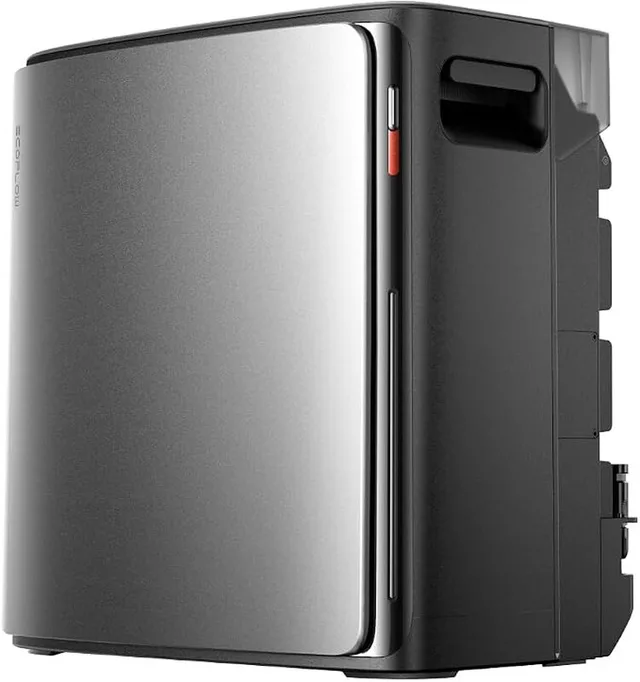
【Black Friday Angebot】 EcoFlow Stream Ultra X 3,84 kWh, Balkonkraftwerk
3.84 kWh€1,655.98 · at 1 shop
- BLUETTI
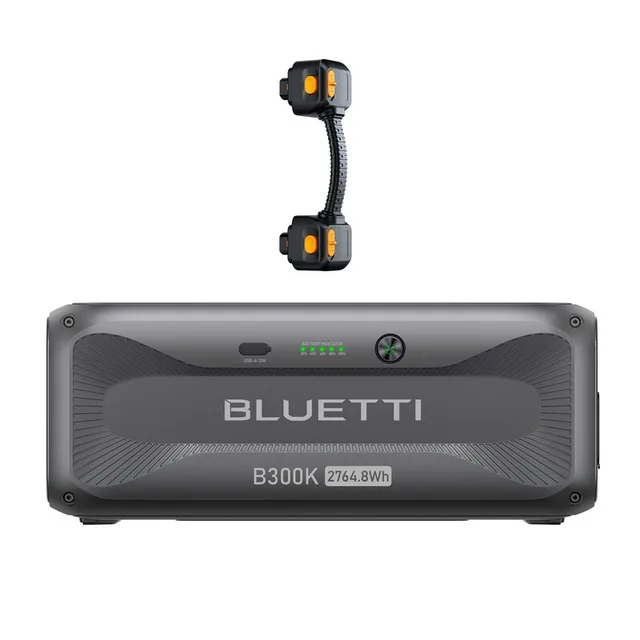
[Kostenlose Lieferung] BLUETTI B300K2 Erweiterungsbatterie 2764,8 Wh LiFePO4 für Apex 300
mit CA90-Kabel2.76 kWh€1,299 · at 1 shop
- TSUN
SolarTrunk MSU2000 Thuisbatterij 2,048 kWh
Plug & Play Energieopslag2.05 kWh€800 · at 1 shop
More buying guides
- Heat pump dryer or condenser dryer: what is the difference? A heat pump dryer is a condenser dryer too, but it heats the air another way. Here is how they differ in electricity, drying time and placement, and how to read the energy label. Read the guide
- Choosing a washing machine: capacity, spin speed, energy label and size You choose a washing machine by how much laundry you have, how dry it should come out and where it will stand. Here is how to read the energy label and measure the space. Read the guide
- Choosing an induction hob: one or two phases, zones, flex and extractor With an induction hob it starts in the fuse box: one or two phases decides the power. Then you choose the width, the zones and whether the extractor goes into the hob. Read the guide