A home battery after net metering ends: what changes in 2027?
On 1 January 2027 Dutch net metering ends in one go. What that means for your solar panels, and when a home battery adds something and when it does not.
Popular picks from this guide
Popular products at today's lowest price. Compare every shop on the product page.
Short answer: On 1 January 2027 net metering (salderen) ends in the Netherlands in one go, without a phase-out. For power you feed in you then get a payment that until 2030 is at least half the bare electricity price, and you often pay feed-in costs. A home battery helps you use more of your own solar power. According to Milieu Centraal you will most likely not earn it back at the moment, so work with your own figures before you buy.
What follows comes from the Dutch government (Rijksoverheid), the consumer authority ACM, Milieu Centraal and the manufacturers' product names. Leafwatt tests no batteries itself and gives no payback period: that depends on your own use and contract.
What changes on 1 January 2027
Until the end of 2026 you may set the power your solar panels feed in against the power you draw. That is net metering. The Dutch government writes that the net metering scheme stops from 1 January 2027. The earlier plan was to phase it out from 2025; that is not happening. According to the ACM a supplier cannot postpone that date, but your contract can still give you a right to net metering. So read what your contract says.
After 1 January 2027 you pay for all the power you draw, and for the power you feed in you get a payment from your supplier.
Feed-in payment and feed-in costs
The supplier sets the payment itself, but it must be reasonable. Until 1 January 2030 it is at least 50% of the price you pay for electricity without energy tax and VAT, the ACM writes. The government calls that the bare supply price.
On top of that many suppliers charge feed-in costs. According to the government these may only be costs the supplier incurs to process the power fed in. The ACM warns that those costs are sometimes higher than the payment. Milieu Centraal says they differ widely between companies; compare them when you choose a new contract.
Own use: that is where the gain is
On average you use about 30 percent of the power your solar panels generate yourself, Milieu Centraal writes. The rest goes to the grid. Solar power you use yourself is about four times cheaper than power you buy, according to Milieu Centraal. After 2027 own use therefore pays the most.
A home battery is one way to use more yourself: it charges with your surplus during the day and gives that power back in the evening. There are cheaper ways too. Run the washing machine, the dishwasher or the electric car during the day when the sun shines. According to Milieu Centraal, smart charging of an electric car takes your own use from 30 to over 50 percent, about as much as a home battery.
When a battery helps, and when not
A battery mainly makes sense if you feed in a lot of power during the day and use a lot in the evening. You can see that in your smart meter's app or on your annual bill. Milieu Centraal advises not to choose the battery too large: it should cover your evening and night use.
A battery makes less sense if you have few panels, are home a lot during the day and already use the power yourself, or if your contract still lets you net meter after 2027. Milieu Centraal writes that a home battery of 6 kWh on average, with inverter and installation, costs a few thousand euros, that you will most likely not earn it back at the moment and that there is no national subsidy.
So do the sums yourself: how many kWh do you feed in per year, what do you get for that after 2027, what do you pay in feed-in costs, and what does the battery cost per usable kWh. The Consumentenbond uses that last measure too.
Smaller plug-in batteries
- CONOW
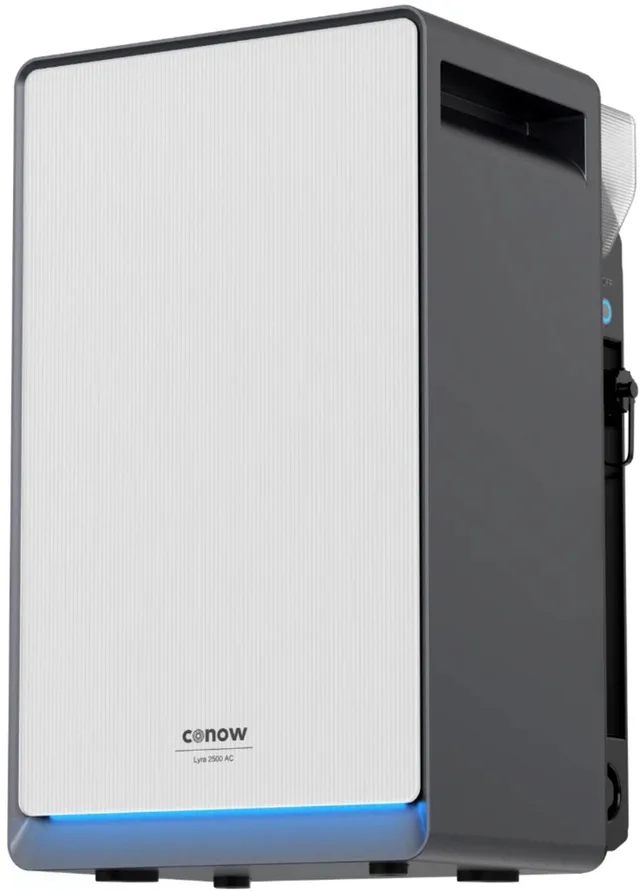
Lyra 2500 AC Thuisbatterij
Plug and Play2.56 kWh€689 · at 1 shop
- Indevolt
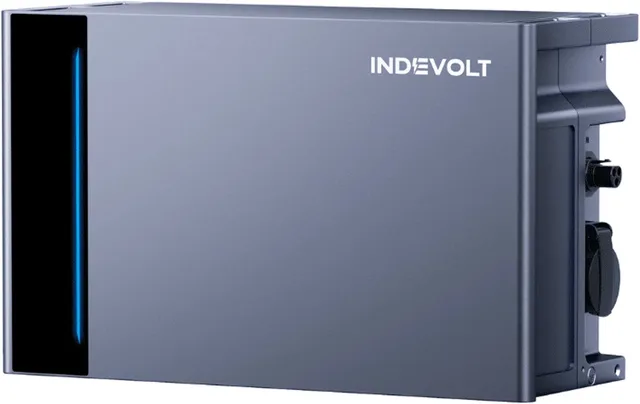
PowerFlex 2000 ECO
Thuisbatterij met Stekker2 kWh€750 · at 1 shop
- TSUN
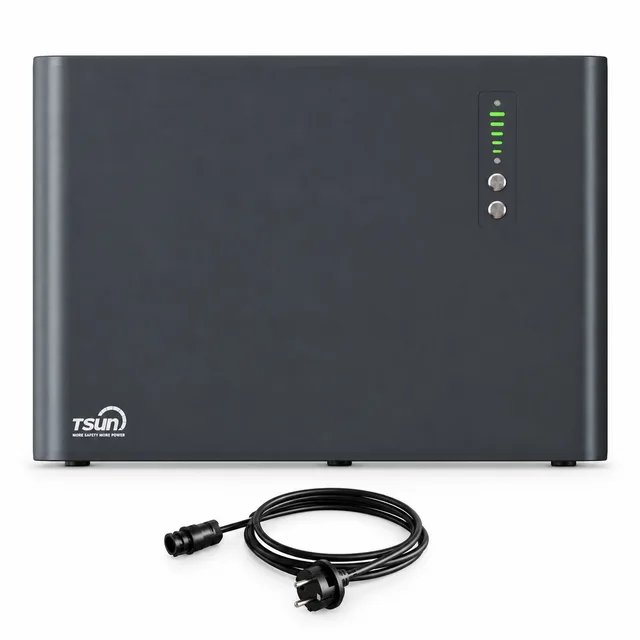
SolarTrunk MSU2000 Thuisbatterij 2,048 kWh
Plug & Play Energieopslag2.05 kWh€800 · at 1 shop
- Hoymiles
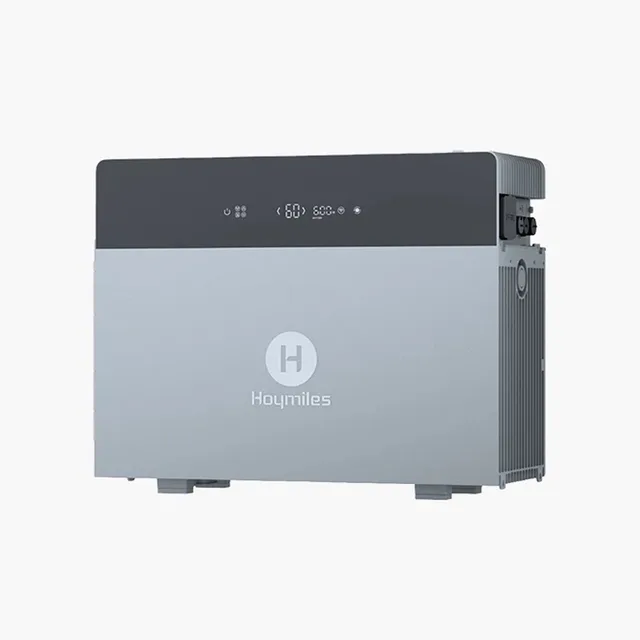
HB-4020-AC Plug-in thuisbatterij
€1,224 · at 1 shop
- TSUN
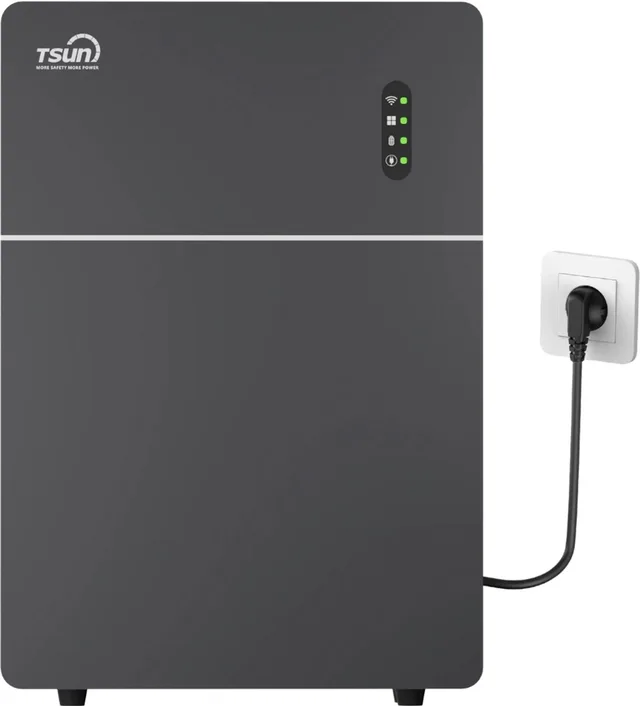
Plug & play thuisbatterij
via stopcontact · backup functie5 kWh€1,399 · at 1 shop
Dynamic energy contract
On a dynamic contract the price changes per hour or per quarter hour. With a dynamic contract you can buy power when the price is low and sell it again when it is high, Milieu Centraal writes. A battery can help: charging in cheap hours, discharging in expensive ones. The ACM points out that on such a contract your feed-in payment also changes more often.
If you want to do this, check whether the battery's app supports charging by time or by price, and whether your supplier allows it. What it brings depends on the prices; nobody guarantees that in advance.
Plug-in or fixed battery
You plug a plug-in battery into the socket yourself. In an ordinary socket it is limited to 800 watts. Milieu Centraal does not yet recommend plug-in batteries, because a circuit that gets power from the grid and from the battery can be overloaded without the fuse tripping. How to make that risk smaller is in the guide on connecting a plug-in battery.
A fixed home battery is fitted by an installer. Installers connect home batteries to a separate circuit in the fuse box, following the Dutch standard NEN 1010, Milieu Centraal writes. A separate 48-volt battery, such as the Motoma 5.12 kWh or the Motoma M88 Pro 10 kWh, does not work on 230 volts without an inverter; you have such a system installed together with an inverter.
Larger batteries
- Anker
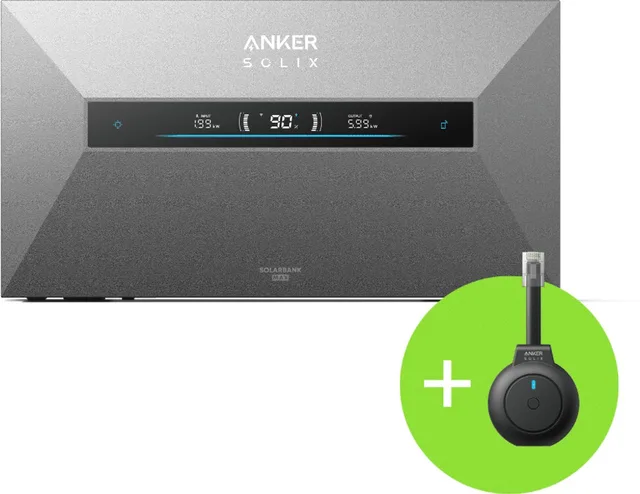
Solarbank Max AC
Thuisbatterij met Stekker7 kWh€1,999 · at 1 shop
- Zendure
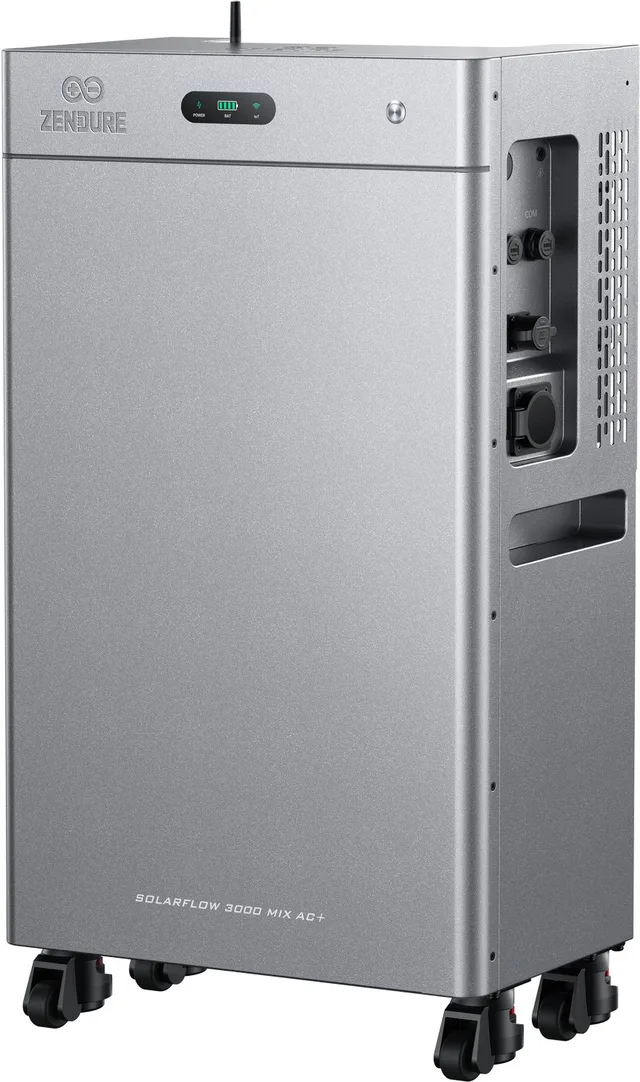
3000mix
Thuisbatterij voor zonnepanelen8 kWh€1,745 · at 1 shop
- Indevolt
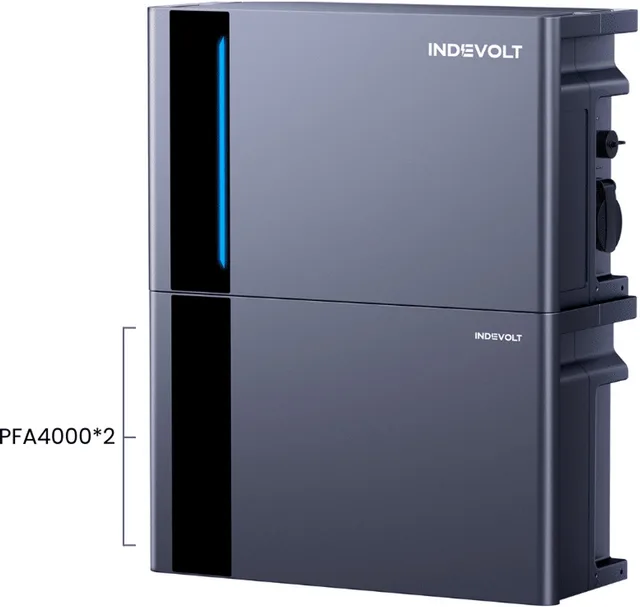
PowerFlex 2000 ECO
Thuisbatterij met Stekker10 kWh€2,349 · at 1 shop
- MOTOMA
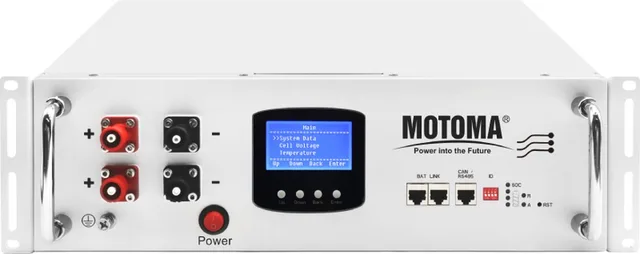
Thuisbatterij kopen 5,12kWh
48V · 100Ah5.12 kWh€1,095 · at 1 shop
- MOTOMA
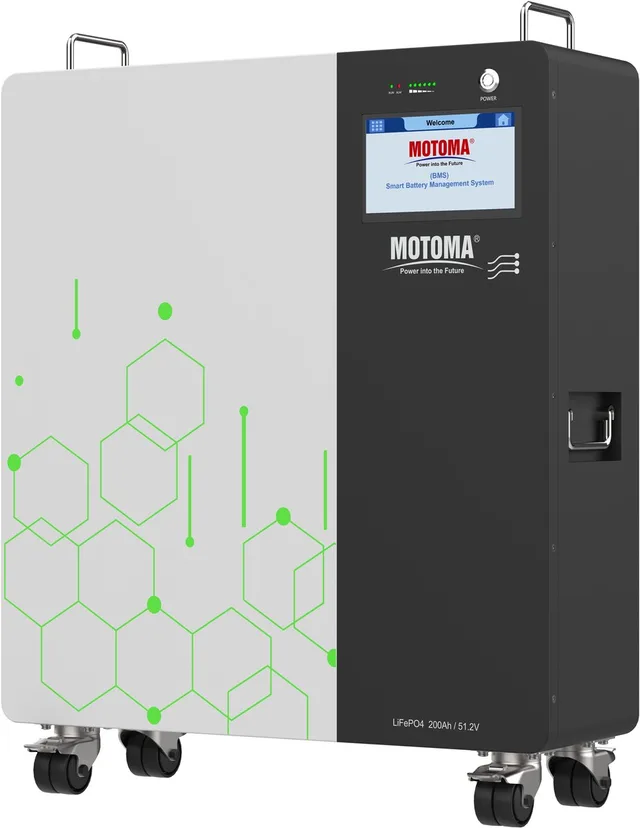
Thuisbatterij 10Kwh M88 PRO serie LIFePO4 voor zonne-energie opslag zonnepanelen ( Prijs doorbraak € 2195
10 kWh€2,195 · at 1 shop
Which plug-in battery suits you is in the guide choosing a home battery. All models are under home batteries.
Frequently asked questions
When does net metering end?
On 1 January 2027. You can net meter until 31 December 2026. There is no phase-out.
How much do I get for power fed in after 2027?
Your supplier decides. Until 1 January 2030 it is at least 50% of the electricity price without energy tax and VAT. You often pay feed-in costs as well.
Does a home battery pay after 2027?
According to Milieu Centraal you will most likely not earn a home battery back at the moment. Whether that is different for you depends on how much you feed in, what your supplier pays and charges, and what the battery costs.
Is there a subsidy for a home battery?
There is no national subsidy for a home battery, Milieu Centraal writes.
Can I use more of my own power without a battery?
Yes. Run appliances such as the washing machine and the dishwasher during the day, and charge an electric car when the sun shines.
Keep looking
Leafwatt doesn’t test devices itself. This guide sets out what manufacturers state.
Products from this guide
Popular products with a current price at the shops. Compare the prices on the product page.
- Jackery
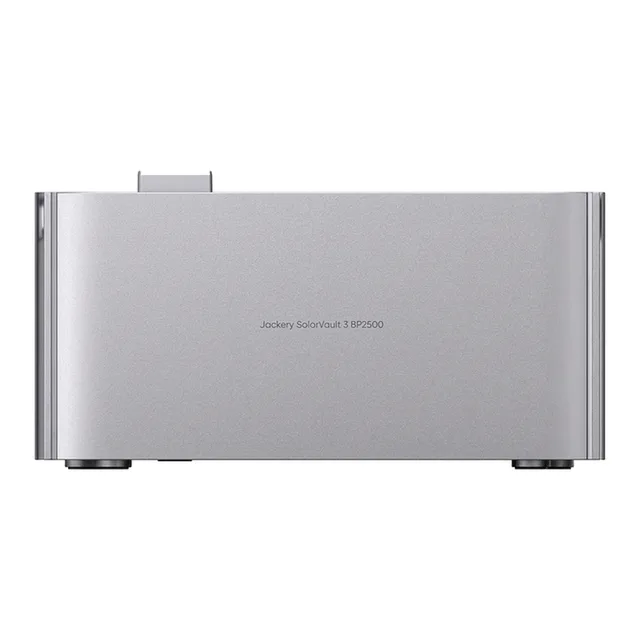
[Lieferung am nächsten Tag] Jackery BP2500 Erweiterungsbatterie für SolarVault 3 Serie, 2,52 kWh zusätzlicher Speicher, Solar-Speichersystem für das Zuhause, Plug & Play
2.52 kWh€670.48 · at 1 shop
- Anker
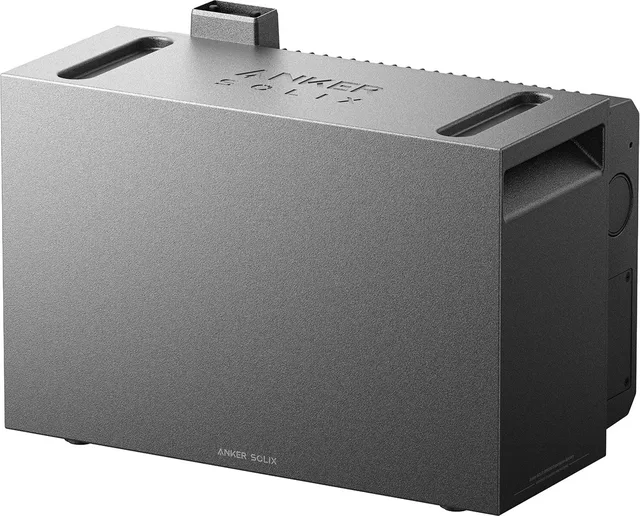
BP5000
uitbreidingsbatterij voor Solarbank 45 kWh€1,299 · at 1 shop
- EcoFlow
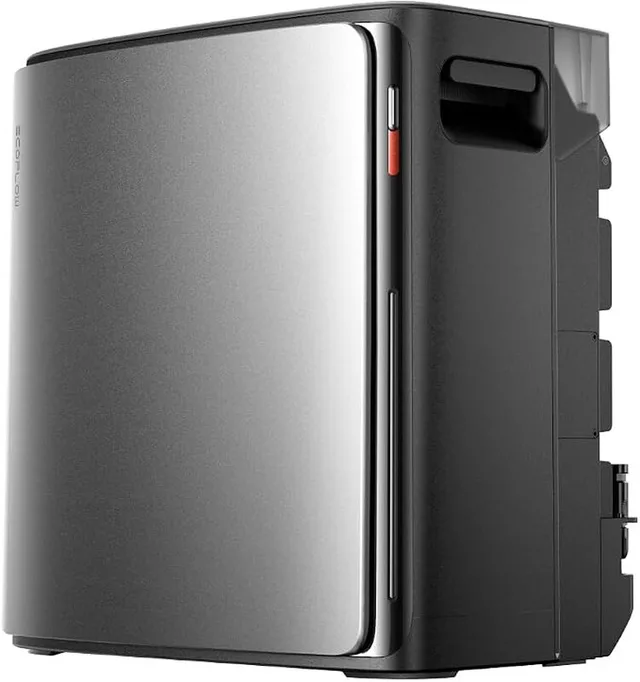
【Black Friday Angebot】 EcoFlow Stream Ultra X 3,84 kWh, Balkonkraftwerk
3.84 kWh€1,655.98 · at 1 shop
- BLUETTI
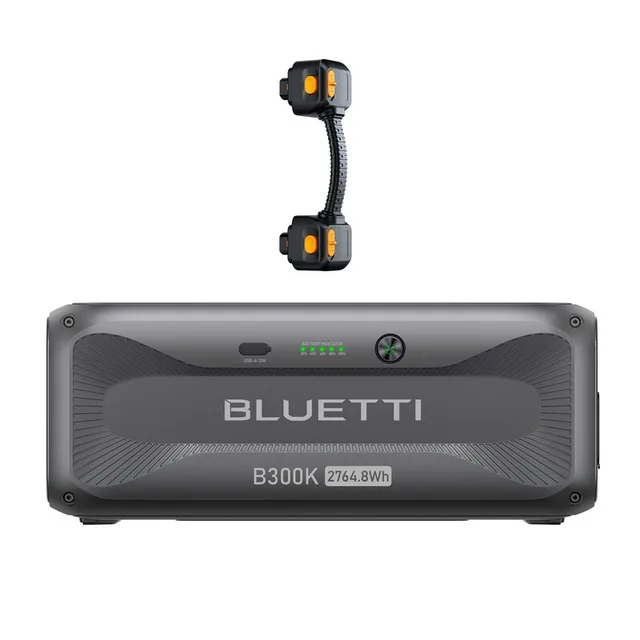
[Kostenlose Lieferung] BLUETTI B300K2 Erweiterungsbatterie 2764,8 Wh LiFePO4 für Apex 300
mit CA90-Kabel2.76 kWh€1,299 · at 1 shop
- TSUN
SolarTrunk MSU2000 Thuisbatterij 2,048 kWh
Plug & Play Energieopslag2.05 kWh€800 · at 1 shop
More buying guides
- Heat pump dryer or condenser dryer: what is the difference? A heat pump dryer is a condenser dryer too, but it heats the air another way. Here is how they differ in electricity, drying time and placement, and how to read the energy label. Read the guide
- Choosing a washing machine: capacity, spin speed, energy label and size You choose a washing machine by how much laundry you have, how dry it should come out and where it will stand. Here is how to read the energy label and measure the space. Read the guide
- Choosing an induction hob: one or two phases, zones, flex and extractor With an induction hob it starts in the fuse box: one or two phases decides the power. Then you choose the width, the zones and whether the extractor goes into the hob. Read the guide