Connecting a plug-in battery: 800 watts, own circuit, P1 meter
You plug a plug-in battery into the socket yourself, but not into just any socket. Here is how to connect it, set it up with a P1 meter and where to put it.
Popular picks from this guide
Popular products at today's lowest price. Compare every shop on the product page.
Short answer: A plug-in battery in an ordinary socket is limited to 800 watts. Plug it straight into an earthed socket, without an extension cord or power strip, preferably on its own circuit with at most one battery per circuit. Put it in a dry, well-ventilated room, not in an escape route, with a smoke detector nearby. With a P1 meter it charges at the right moment.
What follows comes from the Dutch fire service (Brandweer), Milieu Centraal, Dutch broadcaster NOS and the manufacturers' product names. Leafwatt tests no batteries itself. Always follow the manual of your own battery, and if you are unsure about your fuse box, ask an electrician.
The 800-watt limit
Plug-in batteries are limited to a power of 800 watts, NOS reports. If you want more power, you have to put the battery on its own circuit. Some batteries can deliver much more: Anker gives 3,500 watts for the Max AC. That power is meant for a circuit of its own, not for a socket shared with other appliances.
Why a circuit of its own
A circuit in the fuse box is protected by a fuse. Normally all power on that circuit comes from the grid, and the fuse trips when too much flows. With a plug-in battery, power can reach the same circuit from two sides: from the grid and from the battery. Milieu Centraal warns that the wiring can then get too hot without the fuse tripping, especially if a washing machine or dryer is on the same circuit. That is why Milieu Centraal does not yet recommend plug-in batteries.
Installers connect home batteries to a separate circuit in the fuse box, following the Dutch standard NEN 1010. The fire service also advises a separate circuit for a plug-in battery where possible, and at most one home battery per circuit. Make sure the circuit the battery is on is not overloaded.
Not sure which sockets are on which circuit? Switch one circuit off and see which sockets lose power. Have an electrician fit an extra circuit.
Connecting to the socket
- Plug the battery straight into an earthed socket, without an extension cord or power strip (fire service).
- Never connect two batteries to one socket through a power strip; the fire service named that as a concern to NOS.
- Do not put heavy appliances such as a washing machine or dryer on the same circuit.
Plug-in batteries for an ordinary socket
- CONOW
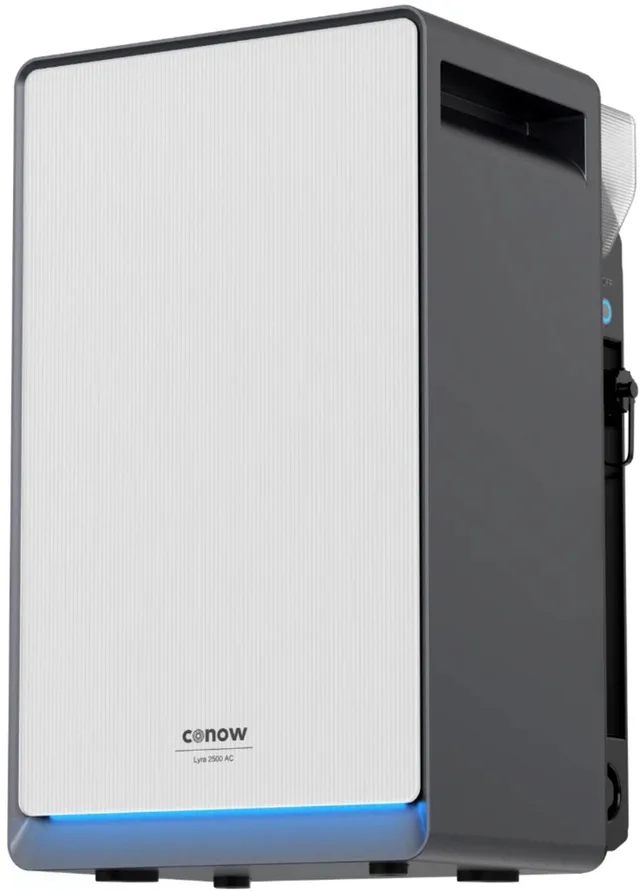
Lyra 2500 AC Thuisbatterij
Plug and Play2.56 kWh€689 · at 1 shop
- Indevolt
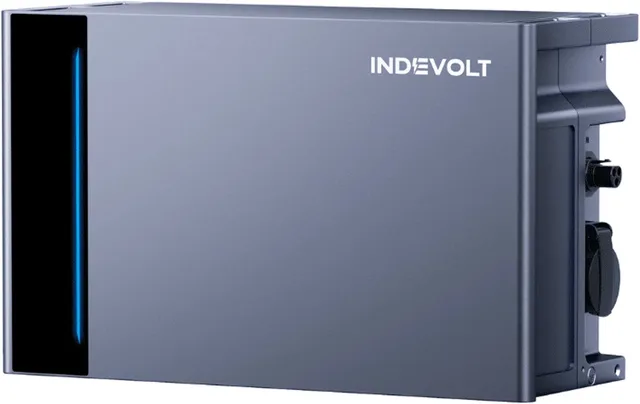
PowerFlex 2000 ECO
Thuisbatterij met Stekker2 kWh€750 · at 1 shop
- TSUN
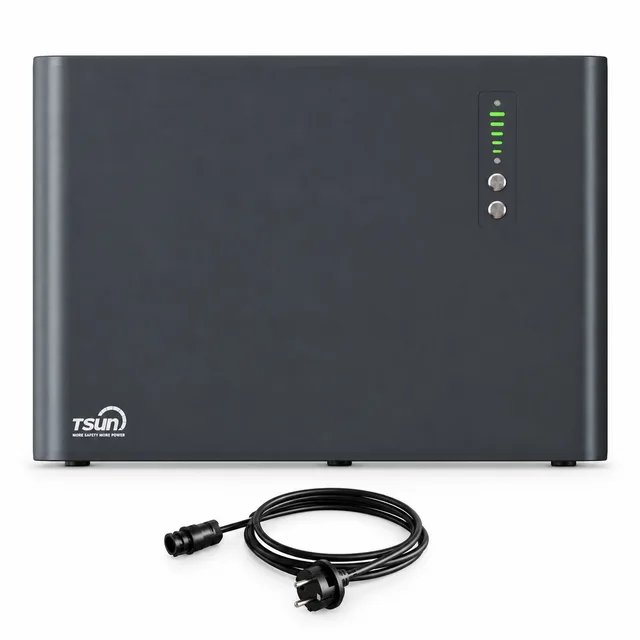
SolarTrunk MSU2000 Thuisbatterij 2,048 kWh
Plug & Play Energieopslag2.05 kWh€800 · at 1 shop
- Hoymiles
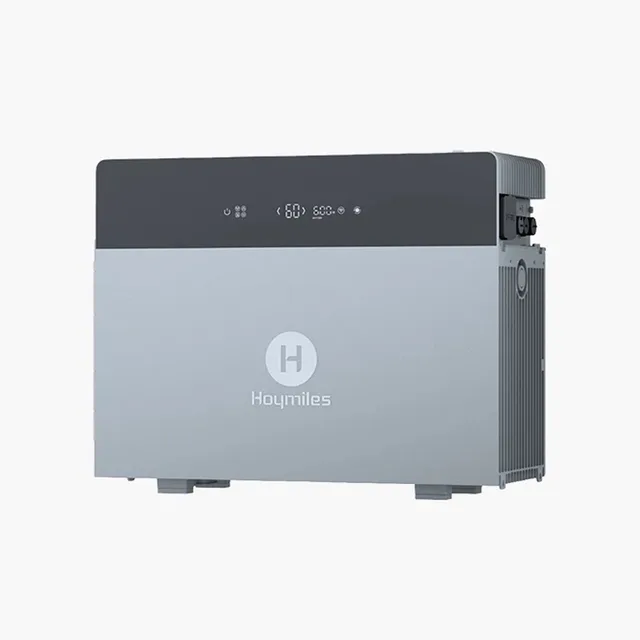
HB-4020-AC Plug-in thuisbatterij
€1,224 · at 1 shop
- TSUN
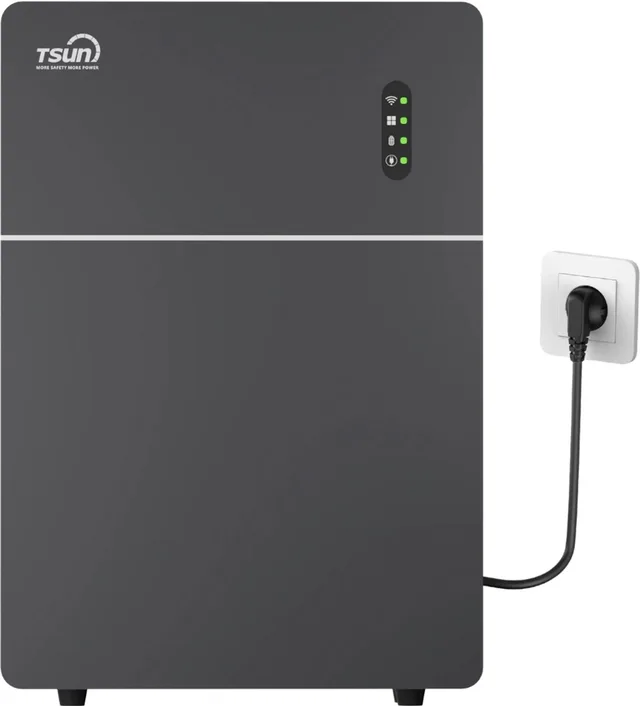
Plug & play thuisbatterij
via stopcontact · backup functie5 kWh€1,399 · at 1 shop
The P1 meter
A P1 meter plugs into the P1 port of your smart meter. The battery then sees whether your home is feeding power in or drawing it. When your home feeds in, it charges; when you draw, it discharges.
Some batteries come with the meter, such as the Hoymiles HB-4020-AC incl. P1 meter and the TSUN 5 kWh. The Hoymiles HB-4020-AC without that addition in its name, the Zendure 3000mix and the Zendure SolarFlow 4000 Mix AC+ need a separate meter. Which meter works is in the battery's manual.
Where to put it
The fire service advises:
- a dry, well-ventilated room the fire service can reach easily;
- not in an escape route or under the stairs;
- a working smoke and/or carbon monoxide detector in the same room.
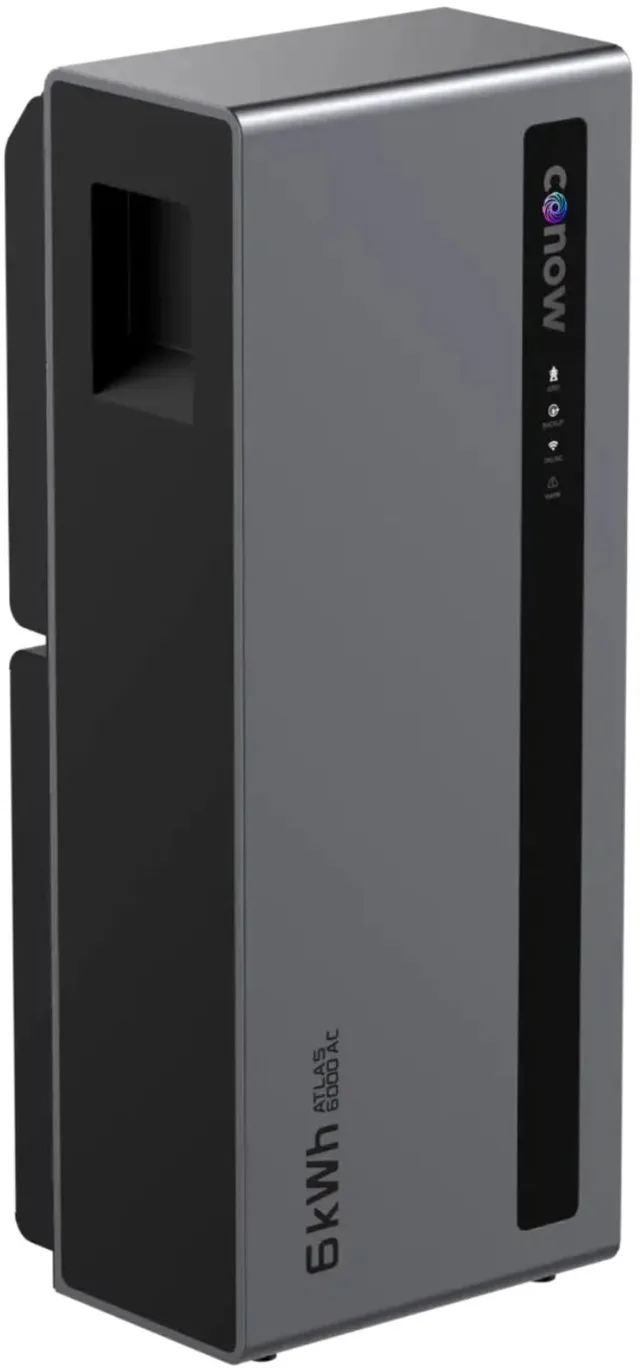
Milieu Centraal adds that a cupboard is not a well-ventilated place. If you want to put the battery in a shed or garage, check the manual for the temperatures the maker allows. The Consumentenbond found that many plug-in batteries worked almost as well at 5 °C as at 23 °C, but advises against a shed or garage for some models. CONOW gives IP65 for the Lyra 2500 AC and the Atlas 6000: protection against dust and rain.
Upkeep and checks
- Check the plug, the cables and the housing for damage, wear or discolouring, preferably twice a year (fire service).
- Keep the battery and the room around it clean and free of dust.
- Check now and then for software updates in the app.
- If the cables or the battery are damaged, contact the supplier.
Rented homes
You take a plug-in battery with you when you move, and the socket needs no building work. If you want a circuit of its own, you are changing the fuse box. Discuss that with your landlord first. Also check whether your P1 meter and your solar panels are yours or the landlord's.
Which battery suits your use is in the guide choosing a home battery. All models are under home batteries.
Frequently asked questions
Can a plug-in battery simply go in the socket?
In an ordinary socket a plug-in battery is limited to 800 watts. The fire service advises an earthed socket without an extension cord or power strip, and preferably a separate circuit. Milieu Centraal does not yet recommend plug-in batteries because of the risk of overloading the circuit.
Do I need a circuit of its own?
For more than 800 watts, yes. Even at 800 watts the fire service advises a separate circuit where possible, with at most one home battery per circuit.
Where do I put a plug-in battery?
In a dry, well-ventilated room, not in an escape route or under the stairs, with a smoke detector in the same room.
What does a P1 meter do for a home battery?
It reads through your smart meter's P1 port whether you are feeding power in or drawing it. So the battery charges when you have power to spare and discharges when you need it.
Can I use a plug-in battery in a rented home?
A plug-in battery itself needs no building work. For an extra circuit in the fuse box, talk to your landlord first.
Keep looking
Leafwatt doesn’t test devices itself. This guide sets out what manufacturers state.
Products from this guide
Popular products with a current price at the shops. Compare the prices on the product page.
- Jackery
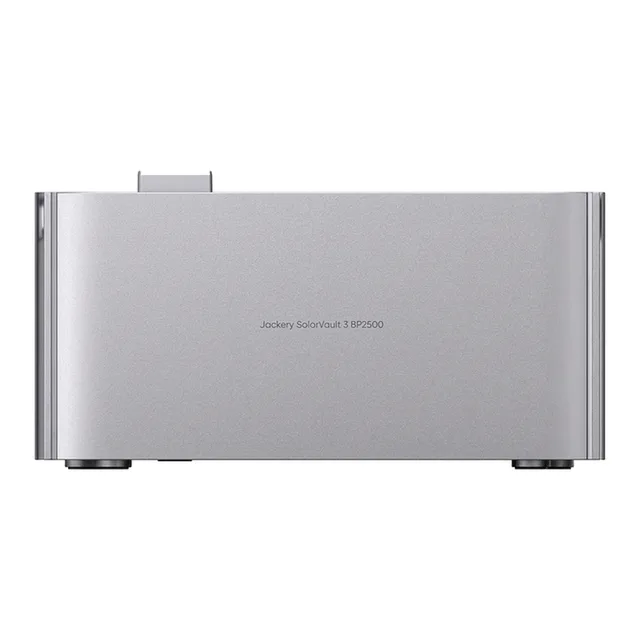
[Lieferung am nächsten Tag] Jackery BP2500 Erweiterungsbatterie für SolarVault 3 Serie, 2,52 kWh zusätzlicher Speicher, Solar-Speichersystem für das Zuhause, Plug & Play
2.52 kWh€670.48 · at 1 shop
- Anker
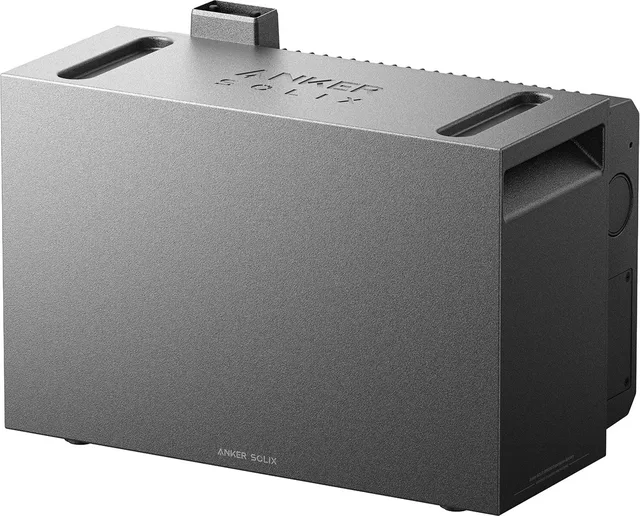
BP5000
uitbreidingsbatterij voor Solarbank 45 kWh€1,299 · at 1 shop
- EcoFlow
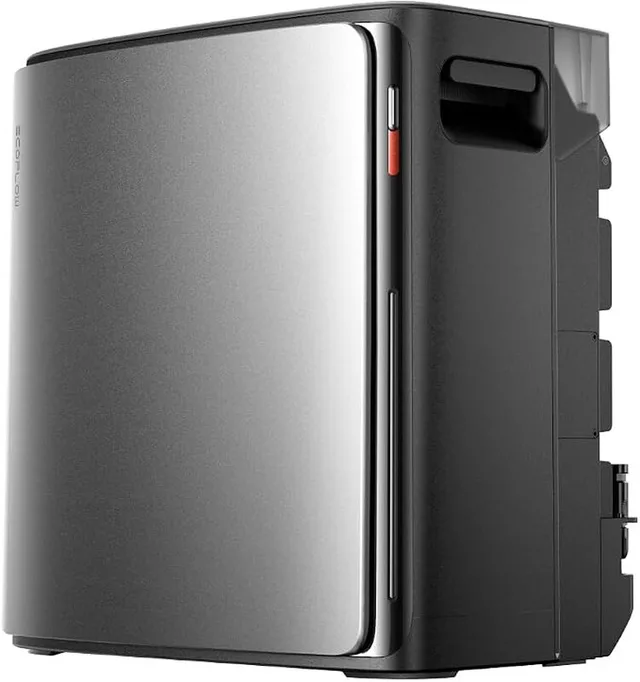
【Black Friday Angebot】 EcoFlow Stream Ultra X 3,84 kWh, Balkonkraftwerk
3.84 kWh€1,655.98 · at 1 shop
- BLUETTI
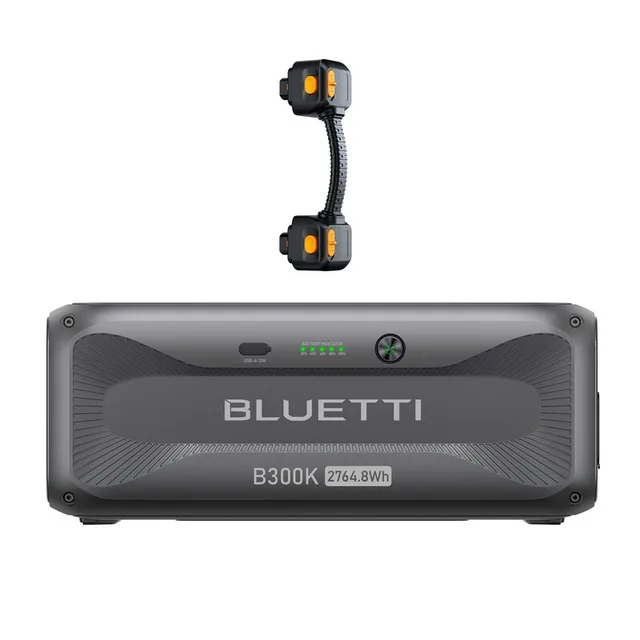
[Kostenlose Lieferung] BLUETTI B300K2 Erweiterungsbatterie 2764,8 Wh LiFePO4 für Apex 300
mit CA90-Kabel2.76 kWh€1,299 · at 1 shop
- TSUN
SolarTrunk MSU2000 Thuisbatterij 2,048 kWh
Plug & Play Energieopslag2.05 kWh€800 · at 1 shop
More buying guides
- Heat pump dryer or condenser dryer: what is the difference? A heat pump dryer is a condenser dryer too, but it heats the air another way. Here is how they differ in electricity, drying time and placement, and how to read the energy label. Read the guide
- Choosing a washing machine: capacity, spin speed, energy label and size You choose a washing machine by how much laundry you have, how dry it should come out and where it will stand. Here is how to read the energy label and measure the space. Read the guide
- Choosing an induction hob: one or two phases, zones, flex and extractor With an induction hob it starts in the fuse box: one or two phases decides the power. Then you choose the width, the zones and whether the extractor goes into the hob. Read the guide